Get Full Government Meeting Transcripts, Videos, & Alerts Forever!
Get email alerts on the Public Funds Investment topic
No spam. Unsubscribe anytime.
Senate approves plan to let portion of Public School Permanent Fund invest in Colorado communities, including teacher homeownership program
Summary
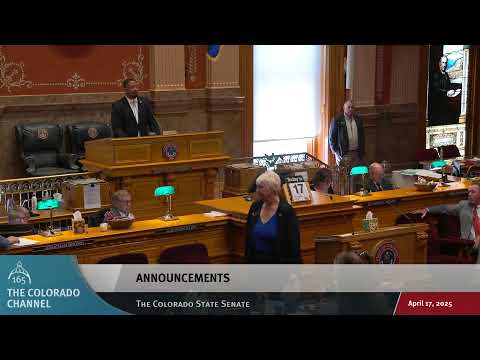
The Colorado Senate passed Senate Bill 167 after extended debate over whether the state's Public School Permanent Fund should direct a portion of investments into local projects, including a mandatory educator down-payment program intended to help about 2,500 school employees buy primary residences.
Senator Frizzell pushed the Senate to approve Senate Bill 167 on final passage, saying the measure would create a new community investment portfolio inside the Colorado Public School Permanent Fund and establish an "educator first homeownership program" to support down-payment assistance for teachers and other public school staff.
The bill's sponsor, Senator Cleave Frizzell, told colleagues the measure "does not touch the principal" of the Permanent Fund and "creates an additional mechanism for investment of the principal" aimed at increasing long-term returns while directing some investment capital to Colorado communities. She said the educator program would support about 2,500 educators statewide and would fund primary residences only.
Why it matters: Backers said the measure would keep a share of state investment dollars in Colorado and help with teacher recruitment and retention in high-cost districts. Opponents warned it risks the fund's yield that currently supports K-12 grants and questioned whether the program has sufficient guardrails and sustainable funding.
Supporters emphasized local impact and job stability. "Investing dollars, investing Colorado dollars in our communities is much more important to me than investing in, you know, some mutual fund somewhere," said Senator Mabley, a co-prime sponsor. Senator Bridges framed the bill as a choice about how the permanent fund supports public education: "To me, that is a much better investment than a couple million dollars in Chevron."
Several senators pressed details about returns and guardrails. Senator Kolker said the Permanent Fund's recent compounded annual return was about 3.4% and that the fund currently yields roughly 3% that flows to BEST grants; he said he was concerned that taking up to $200 million for the community portfolio could threaten that yield. "I don't know how this bill is going to continue with paying out a yield," Kolker said in explaining his no vote.
Senator Marchman, who voted no, said he appreciated the bill's intent but worried the measure "authorizes a significant departure from how we've historically managed the permanent school fund" and that it asks the fund to take unusual investment risks for an endowment established by the Colorado Constitution.
Sponsors and several supporters said the bill includes an internal safeguard: the Permanent Fund Investment Board can stop new community investments with six months' notice. Frizzell also stressed the bill "does not take away from education's funding" and that only investment returns, not principal, support BEST grants.
After debate and floor exchanges, the Senate passed SB 167. The bill establishes a community investment portfolio, requires a share to be allocated for Colorado community benefit, and mandates the educator down-payment assistance program as a component of that portfolio; the Permanent Fund Investment Board retains authority to halt new investments in the portfolio.
Votes and next steps: Senate Bill 167 passed on final passage. The Senate record shows the final tally as 27 ayes and 8 noes. The measure will proceed to the next steps in the legislative process for consideration with enrolled copies and further administrative setup for the educator program.
Context and caveats: Sponsors repeatedly said the bill preserves constitutional protections for the Permanent Fund principal and that the educator program is limited to first-home primary residences, not second homes. The bill names a program manager and anticipates leveraging the manager's capacity to stand up the program. The Permanent Fund Investment Board retains authority over investments and may discontinue new investments with six months' notice.
The Senate debate showed bipartisan concern about protecting the ongoing yield that now supports the BEST school grant program, and senators on both sides asked for detailed reporting after implementation.
Ending: With passage, advocates said the bill is a new model to direct state investment returns toward workforce housing and other community benefits; opponents said the Permanent Fund's historic purpose and yield deserve stronger legal and fiscal protections. Implementation details, including program rules, certification of eligible educators and reporting to the investment board and legislature, will determine how the program operates going forward.