Get Full Government Meeting Transcripts, Videos, & Alerts Forever!
Get email alerts on the Municipal Finance topic
No spam. Unsubscribe anytime.
Tacoma finance staff: 2024 general fund up about $20M, driven by one-time transfers; sales tax remains weak
Summary
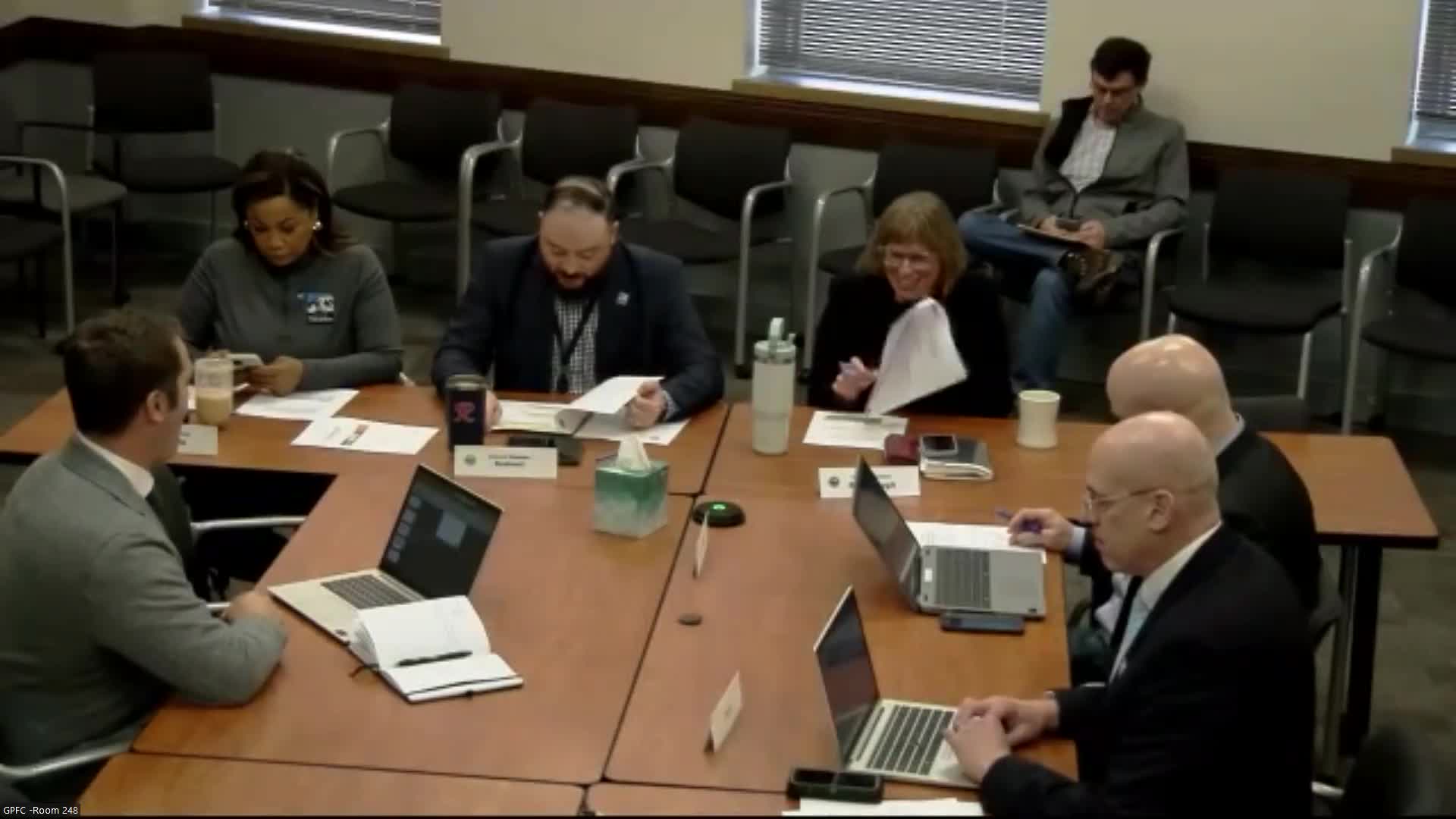
Interim budget officer Reid Benyon told the City of Tacoma's Government Reports and Finance Committee on April 15 that the city's 2024 general fund finished about $20 million above budget, but that most of that gain came from one-time sources rather than stronger recurring local revenues.
Interim budget officer Reid Benyon told the City of Tacoma's Government Reports and Finance Committee on April 15 that the city's 2024 general fund finished about $20 million above budget, but that most of that gain came from one-time sources rather than stronger recurring local revenues.
Benyon said the single largest contributor to the positive variance was a miscellany of one-time items, including transfers from the American Rescue Plan Act (ARPA) fund that reflected project savings and delayed expenses. From 2021 through 2024, Benyon said the city transferred a total of $44,000,000 from ARPA to the general fund. He also cited $3,400,000 returned from the closed Union Station Fund, roughly $2,000,000 from sale of Foss Waterway sites 9 and 10, and about $2,700,000 in additional interest earnings.
The takeaway, Benyon said, is that 2024's headline growth overstates the underlying local trend: remove the one-time miscellaneous revenues and growth in the general fund would have been far smaller. "If you remove that line item from this table, the growth rates of the general fund are much different," he said, adding that adjusted growth rates would be roughly 8% in 2022, 4% in 2023 and about 3% in 2024.
Committee members pressed for details on recurring revenue lines. Benyon reported that utility tax receipts were up roughly $2.5 million and business service tax was up about $4.6 million, while cable television tax was down about $1.7 million and sales tax finished below even the mid-year 2023 reduced projection. "If you want insight into the economy, look at sales tax and business tax categories," he said; "those are essentially flat."
Members asked about collection of outstanding receivables and parking fines. Benyon said tax-and-license auditors work to recover owed business and license revenues and that the city recently added another auditor to that team. He noted that parking-ticket collections are handled primarily by the municipal court, which functions with a degree of operational independence from revenue staff.
On expense pressures, Benyon flagged public safety overtime and rising public liability claims as material risk factors that push costs higher on the expense side of the ledger. He said reappropriation and expense detail remain subject to the mid-modification process; a fuller presentation on expenses will come before the full council on May 6.
When asked about the effect of a possible change at the state level to allow property-tax growth of 3% annually instead of the current 1% cap, Benyon said his analysis shows additional revenue of about $1,400,000 in 2026 if such a policy were implemented, growing to about $2.8 million in 2027, $4.3 million in 2028 and about $6 million in 2029. He cautioned that the increase would help more over the long term than the short term.
Committee members also raised macroeconomic concerns tied to port activity and national market volatility. Benyon noted the city's sales tax and business-and-occupation (B&O) tax data lag actual economic events by several months (March sales-tax filings reflect January activity), so the local fiscal impact of recent national developments may not yet appear in the data. He said the city maintains a general-fund reserve equal to roughly 26.6% and, following budget reductions approved in January, staff are not currently projecting use of that cash this biennium.
Benyon did not present proposed policy changes; instead he outlined the data and risks the committee should monitor in coming months. He said the mid-modification review in August and the next council briefing on May 6 will include additional detail on reappropriations and expenses.
Ending: The committee thanked Benyon for the briefing; he will return to the full council on May 6 for a fuller review of 2024 year-end financials and the reappropriation process. Members said they will continue watching sales-tax and B&O trends and the effects of port-related disruptions on local activity.