Get Full Government Meeting Transcripts, Videos, & Alerts Forever!
Get email alerts on the Electric Rates topic
No spam. Unsubscribe anytime.
Board recommends electric rate increases, approves time-of-use and residential demand plan to reach revenue neutrality
Summary
The Los Alamos Board of Public Utilities voted 3–2 to recommend Ordinance 2,365 to county council, approving scheduled rate increases and a plan to add time-of-use pricing and a residential demand charge that staff say is revenue-neutral and intended to shift load and stabilize distribution costs.
The Board of Public Utilities voted 3–2 on April 16 to recommend County Ordinance 2,365 to the County Council. The ordinance would implement a 9% electric rate increase effective July 1, 2025, and an 8% increase effective July 1, 2026, and would authorize time-of-use (TOU) residential rates and a residential demand charge to be implemented no sooner than July 1, 2026.
“Kathy, this will be the PDF that I sent earlier, the updated one,” said Karen Kendall, the county’s utility finance manager, introducing the ordinance and the two implementation paths the board could endorse. Kendall and staff emphasized that the proposed TOU and residential demand design is revenue neutral: the switch is intended to shift when energy is used, not to increase total revenue.
The ordinance would also increase the fixed monthly residential service charge from the current $12.60 to $17.60 in FY 2026 and to $22.50 in July 2026. Staff and external consultants presented comparative data showing Los Alamos’ proposed charges would remain within regional and national public-power ranges.
Supporters argued the TOU and demand elements address both market and distribution pressures. Karen Kendall told the board the county is seeing rising capital and equipment costs for electric distribution — in some cases several hundred percent higher for certain transformers and related equipment — and that prior rate freezes left reserves low. Staff cited UAMPS and APPA analyses showing public-power utilities can use TOU and demand tools to reduce peak stress on infrastructure and to make usage patterns more transparent to customers.
Several presenters and board members urged an education period before TOU begins. Kendall said the FY 2026 budget includes $250,000 to update billing software and coordinate with meter readers to implement TOU and demand. About 40 customers have previously opted out of remote meter-reading functionality; the ordinance provides an opt-out class because some meters cannot currently provide hourly data. Customers in that opt-out class would be billed at an on-peak rate rather than a TOU/demand-coupled bill.
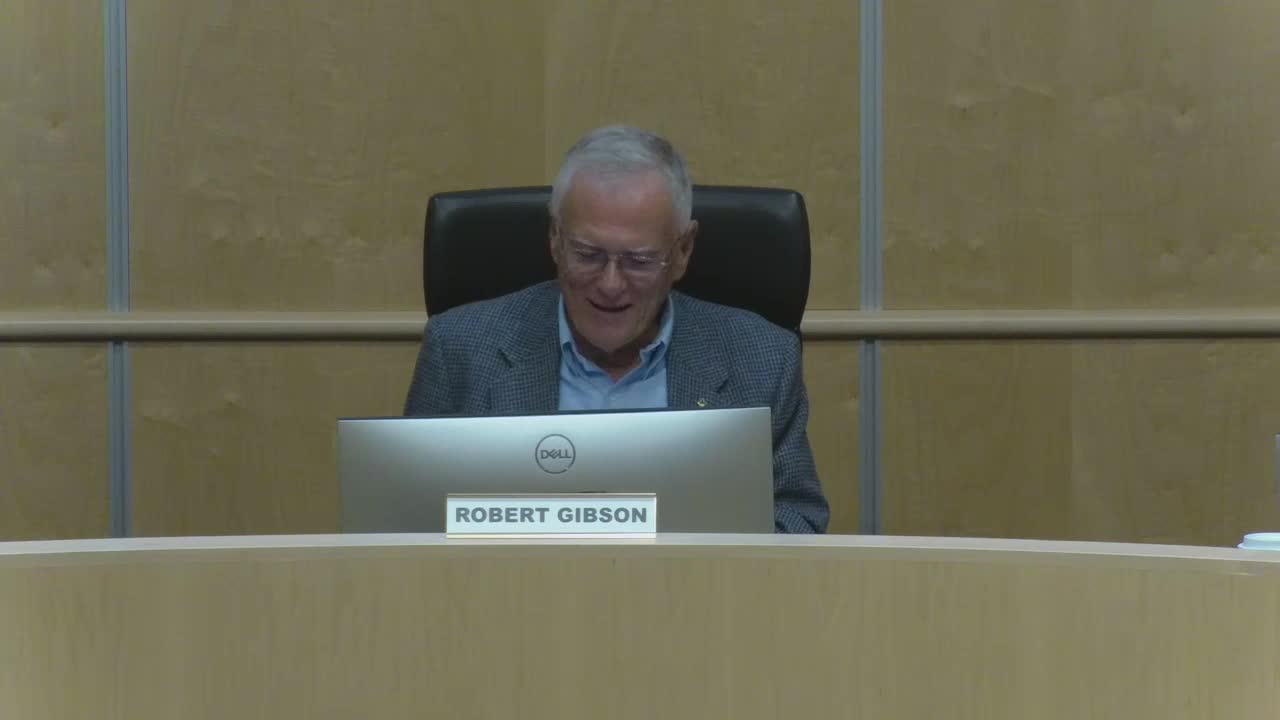
Board debate was divided. Chair Gibson praised staff for clarifying the ordinance text and keeping the structural changes administratively clean. He also expressed caution about immediately imposing TOU: “I think it is premature,” Gibson said, arguing TOU should go into effect when the county’s resource mix — particularly planned local solar-plus-storage (Foxtail Flats) — is better defined and operating. Gibson and Member Stromberg voted against recommending the ordinance.
Members Hollingsworth, Nockley and Heffner voted to recommend the ordinance. Member Nockley argued that steady, modest rate increases generally are preferable to large, delayed increases and that the proposed service-charge changes move fixed costs onto a stable base.
Public commenters asked for clarity on how demand charges will appear on bills and how the county will use revenues from increased fixed charges to maintain distribution and customer-assistance programs. One public commenter asked whether RV-park power and EV-charging stations are billed separately; county staff explained the county’s RV park and municipal chargers are billed through the county’s utility administration and, for public chargers, customers pay via the charger account service.
The board approved the recommendation by roll call: Member Hollingsworth — Yes; Member Nockley — Yes; Member Stromberg — No; Member Heffner — Yes; Member Gibson — No. The ordinance will move to County Council for introduction on May 6 and a council public hearing on June 10 if council schedules as staff indicated.