Get Full Government Meeting Transcripts, Videos, & Alerts Forever!
Get email alerts on the Trails And Pathways topic
No spam. Unsubscribe anytime.
Cyclists and trail groups urge Sedona to fund full‑time trails and shared‑use pathway coordinator
Summary
During public comment, three representatives of trail advocacy organizations urged the Tourism Advisory Board to recommend that the City of Sedona create a full‑time trails and shared‑use pathways staff position to coordinate planning, maintenance and safety across local and Forest Service trail projects.
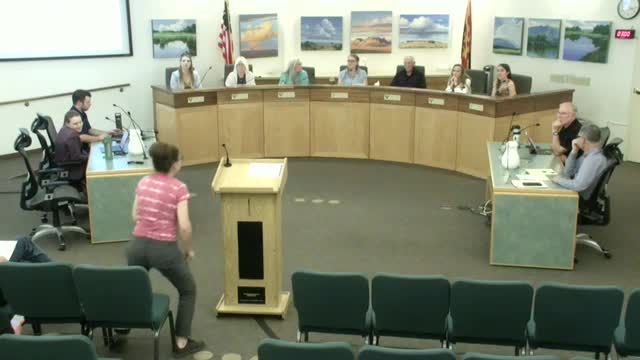
Three public speakers at the Sedona Tourism Advisory Board meeting on April 16 urged the board to recommend that the City of Sedona create a full‑time city trails and shared‑use pathways coordinator to better manage an extensive regional trail network and protect visitor and resident experiences.
Tracy Randall, president of the Verde Valley Cyclists Coalition and a board member of the Sedona Red Rock Trail Fund, told TAB that “without a full time staff member with expertise in non motorized trails, the city lacks the capacity to fully integrate trail‑related considerations into its planning.” Randall said dedicated staff would help reduce car dependency and better distribute visitor use across the system.
Kevin Adams, who said he lives in the Village of Oak Creek and serves as treasurer of the Verde Valley Cyclists Coalition and as chair of the Arizona Outdoor Recreation Coordinating Commission, described the scale and cost of maintaining non‑motorized trails in the Red Rock Ranger District. “Maintaining this network is very expensive. It costs about a million dollars a year with $700,000 of that going to Sedona and the Village of Oak Creek,” Adams said. He noted that the Cathedral Rock Trail deferred maintenance project cost $550,000 and that federal funding typically covers a small fraction of local needs.
Jeff Hollister, a board member of the Verde Valley Cyclists Coalition, emphasized trails’ economic value and fundraising mix. He cited a 2020 University of Arizona figure for consumer surplus per trail visit and a local study estimating roughly 2.7 million annual trail visits and roughly $1.8 billion in consumer surplus for Sedona. He and the other speakers asked TAB to recommend that the city establish a dedicated trails position and increase investment in trail upkeep and coordination.
Board response and next steps: Board members asked whether TAB could add the topic to a future agenda for further discussion; staff said they would evaluate the timing relative to council budget deadlines. A staff member confirmed the city currently contributes roughly $112,000 annually toward trail maintenance funding and that the city and local partners have previously used matching approaches. TAB did not take a formal vote but agreed to place the topic on a future meeting agenda for follow‑up, noting budget timing and potential alternatives for staffing or partnerships.
Why it matters: Speakers said a dedicated city trails coordinator would help plan safe shared‑use routes (for example, routes that would connect Posse Grounds to Uptown), coordinate shuttle connections, work with the U.S. Forest Service on reroutes such as Devil’s Bridge, and improve safety and maintenance planning for high‑use trails that are integral to Sedona’s tourism economy and residents’ quality of life.