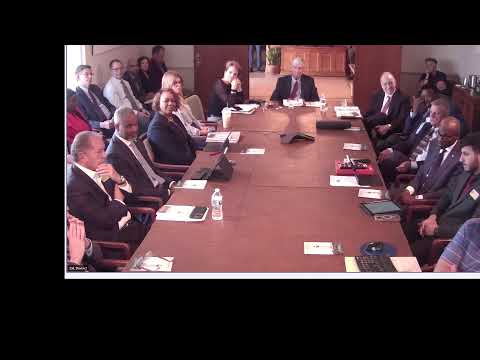
SIU Carbondale students present inaugural undergraduate research journal 'The Lighthouse'
Loading...
Summary
Students and faculty at Southern Illinois University Carbondale presented The Lighthouse, an inaugural undergraduate literary research journal produced on campus and intended as an annual, peer-reviewed venue for student scholarship.
Students and faculty at Southern Illinois University Carbondale unveiled The Lighthouse, the university’s inaugural undergraduate journal of literary research, during a board meeting presentation. The journal’s first issue collects revised course papers from undergraduates, was produced on campus, and its team said they plan an annual publication cycle.
The Lighthouse “allows them to take the research that they’re doing in the classroom and to further refine it to meet the standards for academic publication,” Ross Barnes, managing editor and MFA fiction student who served as editorial adviser, told the board. Barnes said the project began at the direction of David Anthony, director of the School of Literature, Writing and Digital Humanities.
Barnes said the physical, printed journal has been useful as a recruitment tool and noted the Office of Printing and Duplicating on the Carbondale campus produced the issue “at about 1/4 the cost” of offset printing. He said the editorial process exposes undergraduates to peer review, multiple rounds of revision and the conventions of academic publishing.
Student contributors described how the process differed from classroom assignments. Shelby Gorlin, a senior majoring in English, said the paper she submitted began as a course assignment and was revised through several stages of editing and additional research before publication. “The process of publishing The Lighthouse has been a great adventure,” Gorlin said, adding that the experience helped prepare her for graduate study.
Corjan Garrett, a senior double-majoring in English and classical civilizations, said publishing allowed him to convert a class paper into work reviewed and judged for academic merit. Morgan Rudin, an alum and current library and information science student, said the editorial scrutiny “was a really delightful process” that helped prepare contributors for graduate-level expectations.
Barnes and others said the journal accepted roughly 10 student papers for the inaugural issue (three presenters at the meeting plus seven other published students). The organizers said they have issued a call for papers for the next volume and expect to publish one issue annually.
The presenters said the journal is intended to be distinct from creative literary magazines on campus by focusing on academic research and scholarly apparatus such as works cited and contributor notes. Barnes credited David Anthony with conceiving the project “as a professional development opportunity for the undergraduate students.”
During questions from trustees, presenters described typical timelines and the editorial process: research and revision often take about a semester, the first draft frequently comes from a midterm or final course assignment, and publication provided an additional round of editing that many students otherwise would not receive.
The presentation concluded with board members expressing appreciation for the student work and project leadership. Organizers said the Lighthouse will continue accepting submissions from upper‑division coursework and will publish future issues using campus production resources.