Get Full Government Meeting Transcripts, Videos, & Alerts Forever!
Get email alerts on the Waste Management Composting topic
No spam. Unsubscribe anytime.
Republic Services outlines SB 1383 rules, residents press for clearer rollout and incentives
Summary
Republic Services presented California SB 1383 requirements for organics collection and composting; the company and city staff said education and enforcement are needed while residents asked about outreach, local compost availability and practical support for seniors and apartment managers.
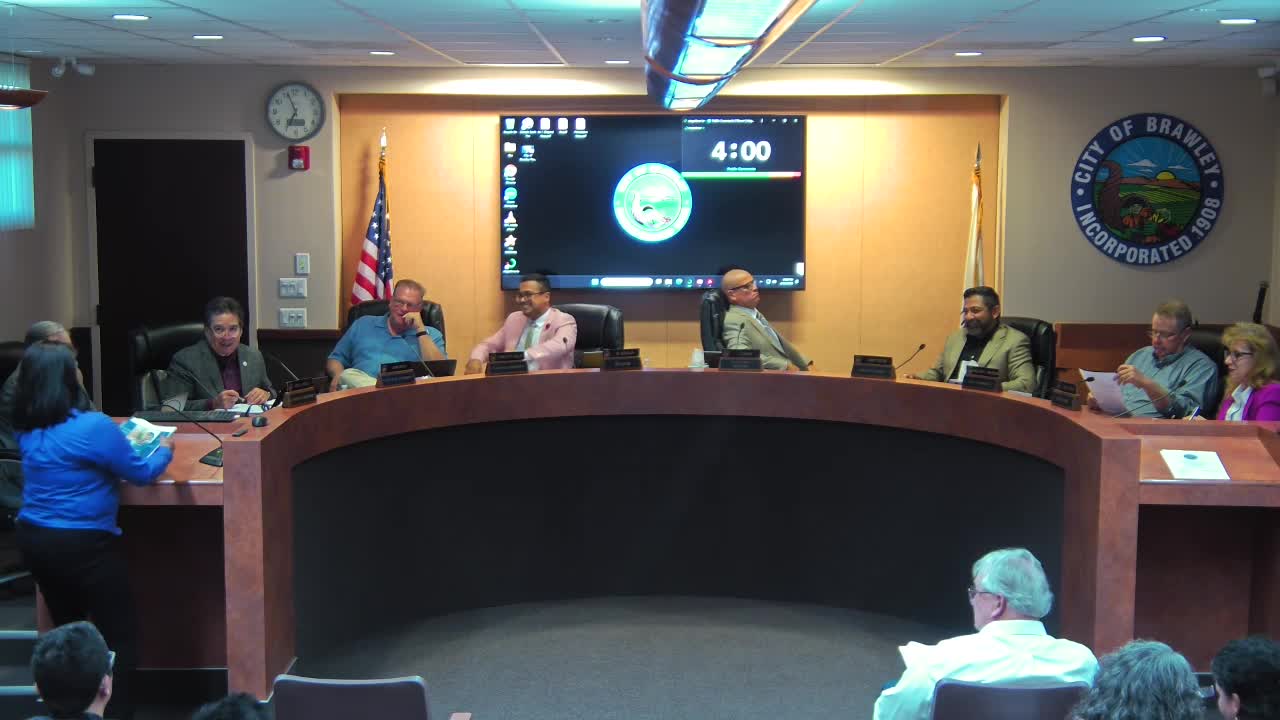
Republic Services representatives told the City Council and residents on April 15 that California’s SB 1383 requirements will shift waste collection toward organics and that education and enforcement are key to meeting state targets.
“Recycling was a big part of it, and now we’re going into organics and composting and food recovery,” Sylvia Herardo, Republic’s sustainability advisor, said during a short presentation on the statewide law. Republic and city staff described SB 1383 as part of a statewide effort to reduce organic waste disposal — and related short‑lived climate pollutants — by reducing organic disposal 50% by 2020 and 75% by 2025.
Shirley Moreno, Republic’s local operations manager, told the council that most commercial accounts already have a green organics cart but many do not put it out for service or use it correctly. “More than half of them don’t even put it out for service. They just have it stored,” Moreno said. She said common contamination items include palm fronds, which do not break down in typical composting operations and must go in the black trash can.
Republic staff said the hauler issues “oops” tags to residents when contamination is found and that drivers will pick up contaminated carts as a courtesy the first time and refuse service on repeat contamination. Herardo and Moreno urged frequent community education, including school programs and distribution of kitchen pails and compostable bags; they said state grants can help cities purchase household kitchen pails.
During the public comment and Q&A period, residents and business operators raised several operational concerns: difficulty contacting Republic’s call center, uncertainty about rules for apartment complexes with dumpsters, the fate of grease/frying oil, and how elderly or disabled residents will manage sorting. Joel Gonzales, owner of a local RV service business, said getting through to Republic’s customer service has been “a nightmare.” Republic offered to provide a local phone number and promised more outreach, including a spring cleanup event April 26 at the Brawley Airport.
City staff said the city has distributed an informational insert with water bills and that Public Works and Republic will continue outreach. Several residents urged incentives rather than penalties for residents learning the new system; Republic said enforcement comes from the city (code enforcement) and that the state requires reporting but municipal enforcement resources are limited.
Why it matters: SB 1383 places new compliance obligations on cities and haulers and can affect municipal budgets, food recovery and local compost feedstock. Republic said the goal is to create clean compost and increase food donations to local food banks, but both the company and residents said extensive education and local logistics remain the most important near‑term tasks.
No formal council vote was taken on SB 1383 at the meeting; Republic’s representatives offered to coordinate education and to provide materials for future workshops.