Get Full Government Meeting Transcripts, Videos, & Alerts Forever!
Get email alerts on the Sewer Overflow Settlement topic
No spam. Unsubscribe anytime.
Board approves settlement with State Water Board; SFPUC outlines timeline, funding for three sewer projects
Summary
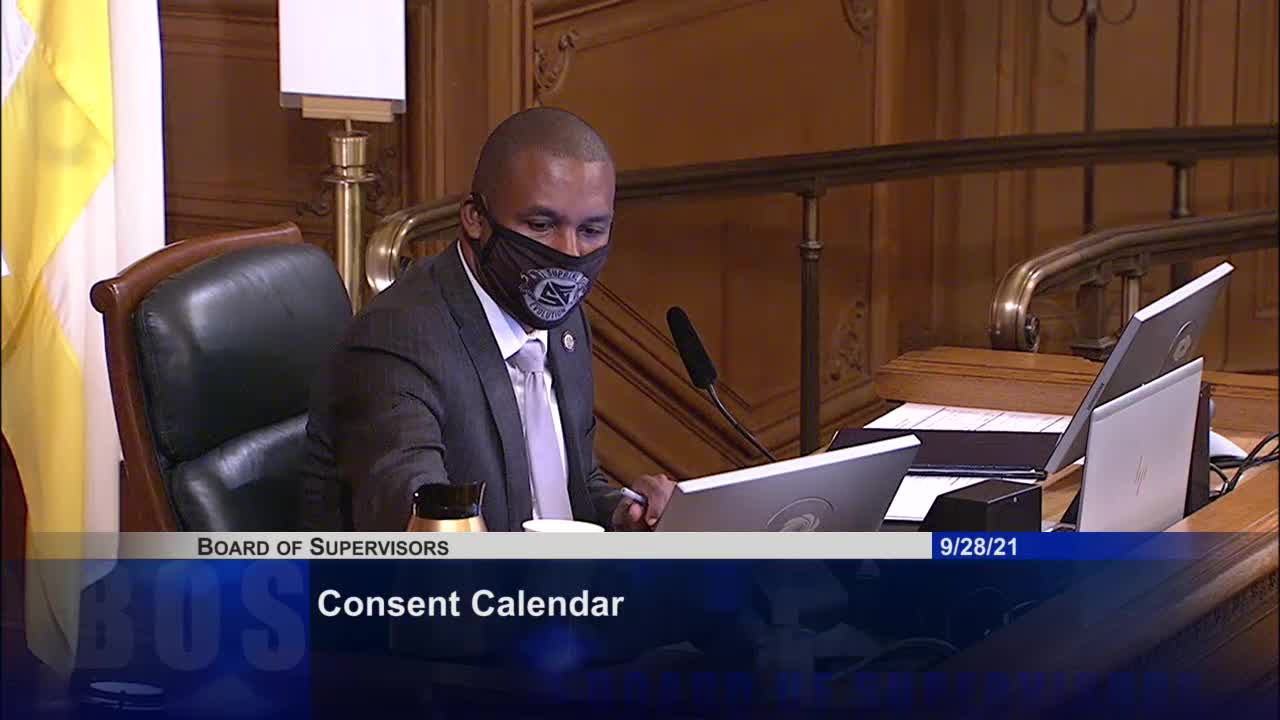
The San Francisco Board of Supervisors voted unanimously Sept. 28 to approve a resolution settling an unlitigated claim from the San Francisco Bay Regional Water Quality Control Board concerning alleged violations of the California Water Code tied to wet-weather overflows from the city's combined sewer system.
The San Francisco Board of Supervisors voted unanimously Sept. 28 to approve a resolution settling an unlitigated claim from the San Francisco Bay Regional Water Quality Control Board concerning alleged violations of the California Water Code tied to wet-weather overflows from the city's combined sewer system.
The settlement requires the city to enter a stipulated enforcement order and implement flood-control and overflow-reduction projects in three locations: Wawona, Folsom/Seventeenth and Lower Alameda. Supervisor Peskin said the projects are “ambitious, over a half a billion dollar” effort and asked Public Utilities Commission staff to explain deliverability and funding so the record would show how the city plans to meet the enforcement terms.
Greg Norby, assistant general manager for the wastewater enterprise at the San Francisco Public Utilities Commission, told the board the three projects are part of the wastewater enterprise capital program and at different stages of development. “The Wawona project is already under construction… and is expected to wrap up in 2024,” Norby said. He said the Folsom/Seventeenth project is in final design at roughly 30% completed and that the Lower Alameda project is in earlier stages and therefore has the most schedule flexibility.
Norby described both Folsom/Seventeenth and Lower Alameda as large tunneling projects that require staging sites and tunnel-boring operations rather than disruptive open-cut construction. He said two common risks the PUC is tracking are securing real estate for staging and dealing with corridor congestion and impacts from Caltrans features near the eastern end of the Folsom/Seventeenth corridor.
On timing for the Lower Alameda work, Norby said the proposed agreement would allow the city, after finalizing the agreement (which he said was anticipated around December of the current calendar year), one year to evaluate alternatives that might achieve the same flood-resiliency benefits; if no alternatives are adopted the default would be the tunnel solution.
On funding, Norby told the board all three projects are reflected in current financial plans. He said the PUC has applied for loans under the federal Water Infrastructure Finance and Innovation Act program, which the PUC has used for other major projects. “If we are successful with the WIFIA loans, those will be very low-cost financing solutions… typically those are issued at about 2.5% interest right now compared to about 4% for traditional revenue bonds,” Norby said.
Supervisor Peskin and the clerk then called the roll for the item; the resolution passed unanimously.
Why it matters: The settlement commits the city to multi-site flood-control construction and monitoring and documents the PUC’s current schedule and funding strategy. PUC staff identified property acquisitions for staging and coordination with Caltrans as near-term deliverability risks, and said federal WIFIA financing is a primary funding option under consideration.
What’s next: The resolution was adopted by an 11-0 vote. PUC staff said the Wawona project is under construction and expected to finish in 2024, the Folsom/Seventeenth project is in final design, and the Lower Alameda project will undergo alternative evaluation for about a year after agreement finalization, with the city continuing to refine funding and real-estate plans.
(Quoted material in this article is taken directly from remarks recorded in the board transcript: Supervisor Peskin and Greg Norby.)
Ending: The board’s action authorizes the settlement but does not itself change construction schedules or specific contract awards; Norby said the PUC would return with project-level updates and that his team would answer questions about funding and site acquisitions in follow-up briefings.