Get Full Government Meeting Transcripts, Videos, & Alerts Forever!
Get email alerts on the Housing topic
No spam. Unsubscribe anytime.
Supervisors back ordinance to create housing production and preservation fund using excess ERAF revenue
Summary
The Board of Supervisors unanimously passed on first reading an ordinance to create an Affordable Housing Production and Preservation Fund that directs a share of future excess Education Revenue Augmentation Fund (ERAF) revenues for land acquisition, production of 100% affordable housing and preservation of existing housing.
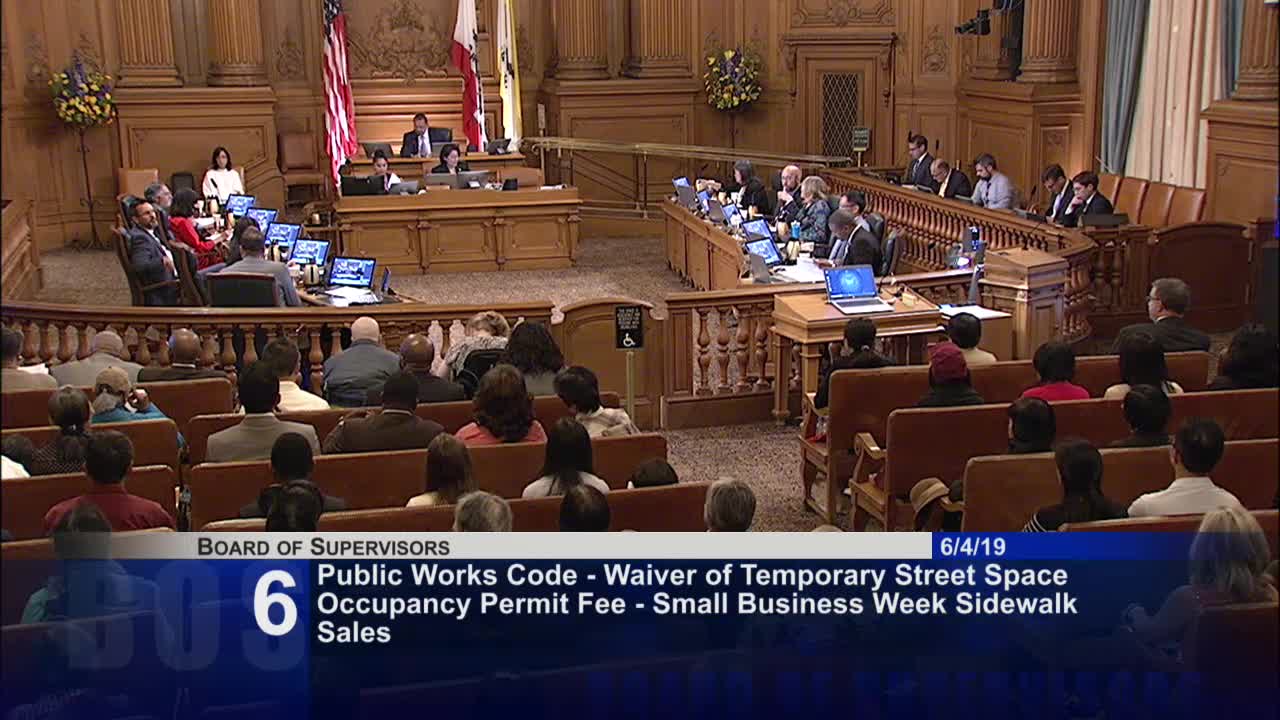
The Board of Supervisors on June 4 unanimously passed on first reading an ordinance introduced by Supervisor Scott Wiener (presenter: Supervisor Matt Haney and Supervisor Aaron Peskin joined the discussion) to create an Affordable Housing Production and Preservation Fund that will receive excess Education Revenue Augmentation Fund (ERAF) revenues.
Supervisor Aaron Peskin (note: Supervisor Mark Farrell name not in transcript; primary sponsor remarks were made by Supervisor Scott Wiener in committee and Supervisor Aaron Peskin provided support on the floor) and Supervisor Scott Wiener framed the fund as a way to dedicate consistent revenues to both production and preservation of permanently affordable housing. Supervisor Norman Yee said the fund would allocate 50 percent of future ERAF funds to the new fund; speakers on the floor explained the package dedicates up to 60 percent for land acquisition and production of 100 percent affordable projects and at least 40 percent for acquisition and preservation of existing housing.
Supporters said San Francisco has met nearly all market‑rate housing goals but lagged on very low, low and moderate income units; cited data during debate that the city had produced 96 percent of market‑rate RHNA goals but only roughly 31 percent of needed affordable units and that eviction and conversion losses reduced net affordable production. Supervisor Scott Wiener and Supervisor Aaron Peskin emphasized the fund will provide a steadier revenue source for preservation programs like the Small Sites program and for the Community Opportunity to Purchase Act (COPA). A cited example described a seven‑unit rent‑controlled building purchased with ERAF funds to preserve tenant households, many of them seniors.
The ordinance passed on first reading unanimously; the board indicated support for a November ballot housing bond and for using ongoing ERAF revenue to create a dedicated stream for preservation and production. The ordinance will return for further consideration on second reading.