Get Full Government Meeting Transcripts, Videos, & Alerts Forever!
Get email alerts on the African American Workforce Hearing topic
No spam. Unsubscribe anytime.
Board holds wide‑ranging hearing after advocates present data alleging disproportionate discipline and probations
Summary
A committee‑of‑the‑whole hearing on Nov. 27 brought department directors, DHR and union and community leaders together to review steps the city is taking after advocates presented charts alleging African Americans face disproportionate disciplinary dismissals, probationary releases and medical separations.
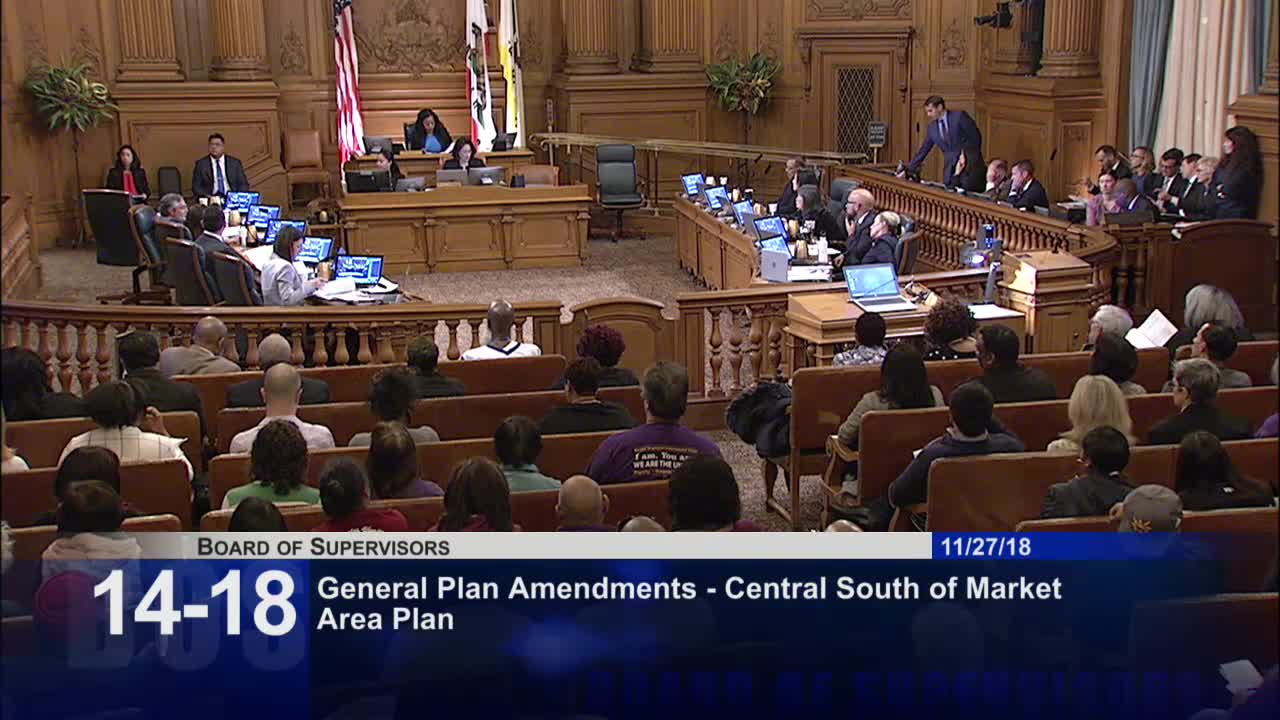
The San Francisco Board of Supervisors convened a committee‑of‑the‑whole hearing on Nov. 27 to examine recruitment, retention and discipline of African American city employees after community advocates and unions presented data they say shows stark disparities.
The board asked the Department of Human Resources and major department leaders to describe current practices and immediate reforms. DHR Director Mickey Callahan and other officials outlined training, data collection and recruitment steps the department is deploying under Mayor London Breed’s executive directive issued after an earlier committee hearing.
Nut graf: Advocates told the supervisors that African American employees are overrepresented in lower‑paid city classifications and disproportionately represented among disciplinary dismissals, probationary releases and medical separations. DHR said it has launched de‑identification of candidate names for hiring panels, expanded implicit‑bias and harassment prevention training, and is implementing centralized electronic reporting of discipline and personnel actions starting Jan. 1, with an internal report slated for July 1.
What DHR described: Mickey Callahan said the city is expanding training, instituting candidate de‑identification for interview selection starting Oct. 15, enabling better PeopleSoft reporting of personnel actions beginning Jan. 1 and committing to produce initial department discipline reports by July. Callahan said those tools will help DHR identify departments with disproportionate discipline and target coaching or supplemental review of proposed discipline.
What advocates said: Speakers representing SEIU, the NAACP San Francisco chapter and other community groups and current and former city employees described repeated instances of harassment, retaliation and patterns they said were not being corrected. Reverend Dr. Amos Brown, SEIU representatives and numerous public commenters urged independent investigation, data transparency and a city‑level mechanism for oversight and accountability.
Advocates presented charts (submitted at the hearing) showing that African Americans make up about 15% of the city workforce but accounted for roughly 36% of recorded disciplinary dismissals in the presented dataset; they also said probationary releases and medical separations appeared skewed toward African American employees for the 2014–2018 span. DHR said it will publish disaggregated reports after the new PeopleSoft fields are filled beginning January and reiterated that civil‑service and confidentiality rules limit some public disclosure.
Requests and next steps: Supervisors asked for a roadmap and repeated calls for an independent oversight mechanism. DHR said it will convene stakeholders, implement expanded training and collect centralized personnel data; the mayor’s directive includes hiring two full‑time diversity recruiters, expanded training schedules and a centralized personnel file to improve data accuracy. The board took no budget vote at the hearing; the item was "heard and filed." Advocates pushed supervisors to create a city office or independent investigator to monitor race and equity outcomes across departments.
Why this matters: Employee hiring, discipline and promotion practices determine who has access to stable public‑sector careers and influence which communities see representation in public services. Supervisors stressed that the issue is both an employment fairness problem and a public‑service quality issue for San Francisco residents who rely on city programs.
Closing: Supervisors requested follow‑up briefings and said they expect DHR to return with measurable milestones tied to the executive directive’s January reporting dates. Community speakers asked for an independent, binding enforcement mechanism beyond administrative training and internal review.