Get Full Government Meeting Transcripts, Videos, & Alerts Forever!
Get email alerts on the Mayor Policy Qanda Childcare Homelessness topic
No spam. Unsubscribe anytime.
Mayor Breed pledges shelter expansion, backs early‑childhood workforce supports in policy Q&A
Summary
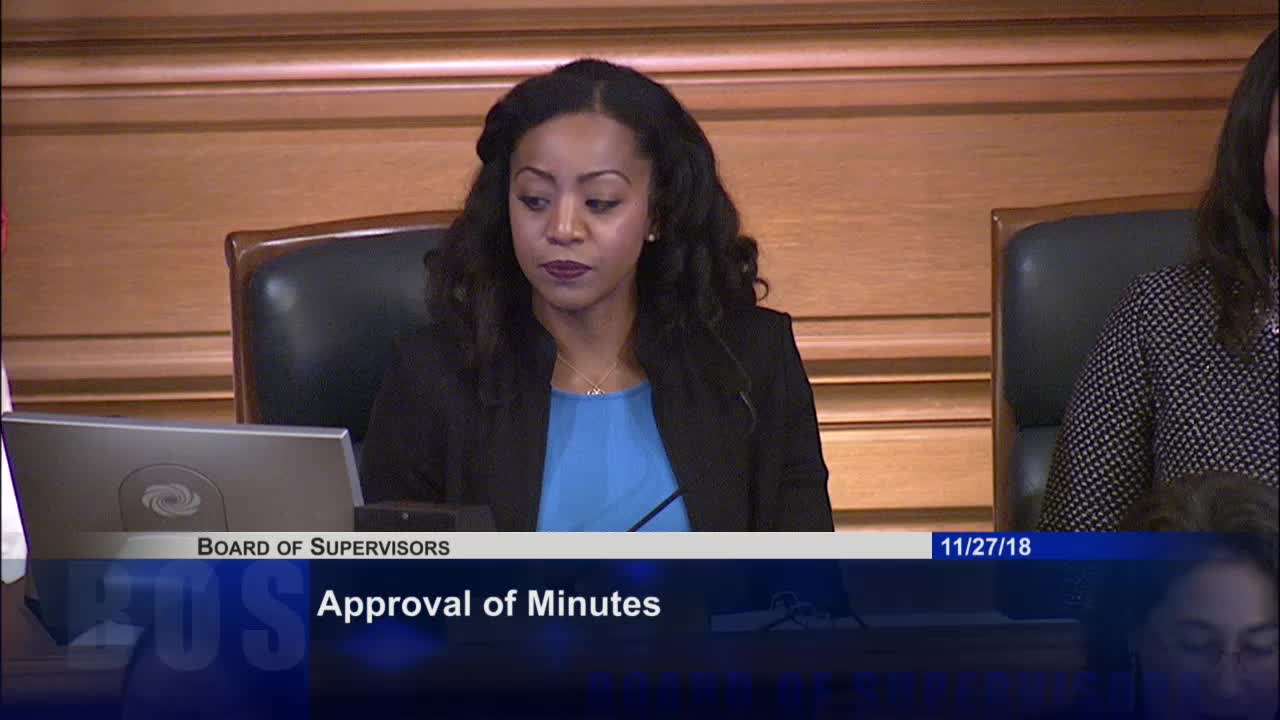
Mayor London Breed told the San Francisco Board of Supervisors on Nov. 27 that expanding access to early care and education and speeding services for people who are homeless are top priorities for her administration.
Mayor London Breed told the San Francisco Board of Supervisors on Nov. 27 that expanding access to early care and education and speeding services for people who are homeless are top priorities for her administration, and she described steps the city is taking while legal and budget questions remain.
The mayor spoke at a special 2 p.m. policy session convened for questions submitted by supervisors Preethee (Preet) Yee, Connie Chan Brown, and Rafael Mandelmann. Supervisors focused on the implementation of the June ballot measures and on workforce and system capacity issues that supervisors said are already affecting neighborhoods.
Why it matters: Supervisors and the mayor framed both early care and homelessness as issues that affect families’ economic stability and neighborhood quality of life. Supervisors repeatedly pressed for timelines, interim funding and concrete steps the mayor will take while legal or programmatic barriers are unresolved.
Breed said the city’s Office of Early Childhood Education will be central to implementing the childcare initiative and improving the pay and training available to early‑childhood staff. "Teachers, of course, need to be paid more," Breed said, adding that the office is funding in‑depth training and is working to expand continuing education for teachers.
On homelessness, Breed said she has introduced legislation to seek judicial validation for implementation of Prop C, the November measure voters approved to pay for homeless programs. She also said the administration is not waiting for court action to pursue other steps. Breed said she is meeting with business and civic leaders to identify immediate funding and has announced plans "to add another thousand new shelter beds by 2020, and up to 90 new mental‑health beds by next year." She also cited recently opened facilities: a 28‑bed navigation center at Bayshore and an 84‑bed navigation center the city expects to open in December at a Fifth Street site named in the chamber.
Supervisors asked for specifics about how they can accelerate shelter openings and what interim funds would look like while litigation over Prop C proceeds. The mayor said faster openings would require local community support for sites as much as funding, and she urged supervisors to help shepherd public processes in districts where the city has identified properties for conversion.
Discussion vs. decisions: The mayor provided program announcements and policy direction but did not request or record any formal board votes for budget changes during the session. Breed said she will analyze department budgets to determine how much can be invested immediately, and she repeated her support for expanding compensation and training for early‑childhood educators.
What stayed unresolved: Legal uncertainty about spending Prop C funds remains — Breed and the Board said they expect legal challenges and that the city attorney will seek validation from the courts. Supervisors asked for timetables and more granular data about planned shelter units, workforce recruitment, and the Office of Early Childhood’s resource needs, but the session produced commitments to further budget analysis rather than firm, immediate allocations.
Where this goes next: The mayor said she will continue working with the Board on conservatorship legislation, shelter conversions and workforce measures. Supervisors indicated they will press for specific budget decisions during the upcoming budget cycle and for the mayor’s office to produce costed implementation plans for early care and homelessness supports.