Get Full Government Meeting Transcripts, Videos, & Alerts Forever!
Get email alerts on the Education Access topic
No spam. Unsubscribe anytime.
Board unanimously backs 'ban the box' rule for private post‑secondary institutions
Summary
The supervisors voted 10-0 on first reading to prohibit private post‑secondary schools from asking about applicants’ criminal convictions during initial admissions screenings, delaying such inquiries until after an offer is made.
The San Francisco Board of Supervisors voted unanimously on Dec. 4 to pass on first reading an ordinance that prohibits private post‑secondary institutions from asking applicants about criminal history during the initial admissions process.
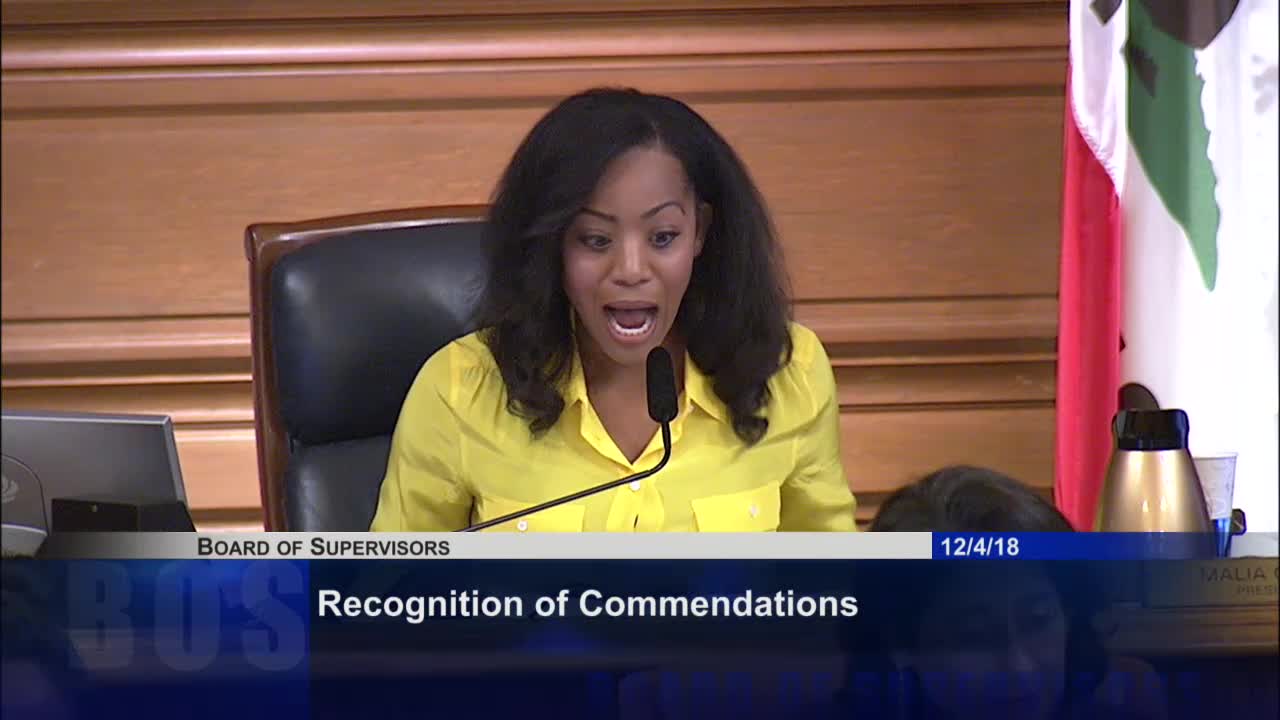
The ordinance—presented by President Cohen as “beyond the box”—would delay inquiries into conviction histories until after an admission offer has been extended and a student has agreed to enroll. “This is really a continuation of ban the box legislation that we passed here in this chamber several years ago,” President Cohen said, describing the proposal as an effort to expand fair‑chance hiring concepts into education.
Sponsors said the change addresses a barrier that students with prior justice system involvement face in accessing higher education. “When people pay their debt… they deserve a second chance,” Supervisor Yi said as he added his name as a co‑sponsor.
Supporters noted the measure tracks earlier local fair‑chance rules and called it the first city effort in the U.S. to apply a similar approach to private colleges. Several supervisors thanked staff and interns who helped draft research and outreach materials for the proposal.
A roll call produced 10 ayes. The ordinance was passed on the first reading.
Ending: Supporters said the change intends to broaden access to education for people impacted by the criminal justice system and directed staff to prepare the ordinance for second‑reading and final adoption.