Get Full Government Meeting Transcripts, Videos, & Alerts Forever!
Get email alerts on the Housing topic
No spam. Unsubscribe anytime.
Board amends inclusionary housing rules to allow rental inclusionary units or Costa-Hawkins exemption contract
Summary
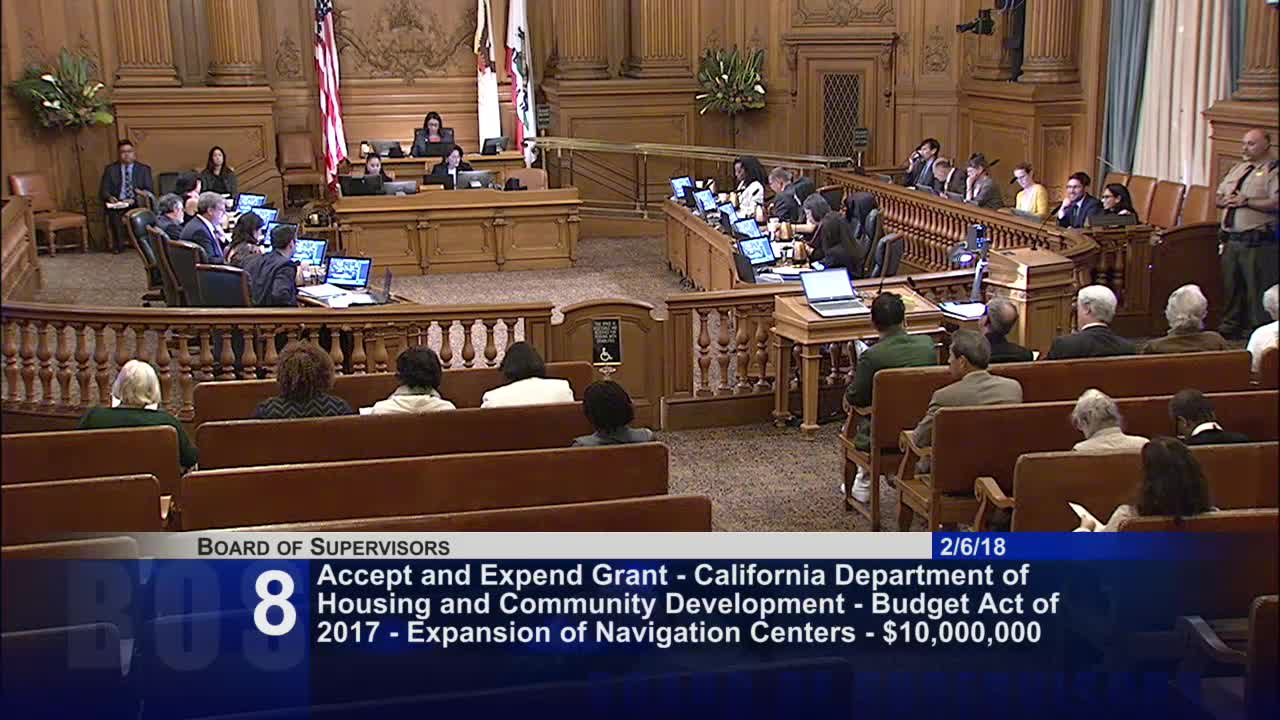
On Feb. 6 the Board of Supervisors passed on first reading an amendment to the planning code to let on-site and off-site inclusionary units be rentals rather than ownership units, or alternatively require evidence of exemption under the Costa-Hawkins Rental Housing Act.
The San Francisco Board of Supervisors on Feb. 6 amended the planning code to change the city’s inclusionary housing requirements, removing a requirement that on-site and off-site inclusionary units in new development be ownership units. The ordinance also allows, as an alternative, that a project sponsor demonstrate the proposed units are exempt from the Costa-Hawkins Rental Housing Act by submitting a contract that shows the exemption.
Supervisor Jane Kim asked to be added as a co-sponsor and the board took the item on the consent formula; it passed unanimously on first reading.
Why it matters: The change shifts how inclusionary affordable units may be delivered for new development in San Francisco. Under the amendment, developers may meet inclusionary obligations with rental units unless the project sponsor chooses otherwise; alternatively, sponsors may provide a contract demonstrating a legal exemption under the state’s Costa-Hawkins law.
What the board recorded: Supervisor Kim asked to be added as a co-sponsor. The clerk confirmed the co-sponsorship request had been received the same morning. The ordinance passed unanimously on first reading.
What it does not say: The ordinance text and the board record at first reading do not specify implementation details such as percentages for rental vs. ownership mixes, how conversions would be tracked over time, or the administrative procedure for verifying Costa-Hawkins exemptions; those details will be determined through the ordinance text and implementing regulations or later approvals.
Next steps: The ordinance passed on first reading and must return for the legally required second reading and final adoption. Implementation details are to be addressed in follow-on regulations or administrative procedures.
Vote: Passed on first reading, unanimous (clerk recorded "the ordinance is passed unanimously on the first reading").