Get Full Government Meeting Transcripts, Videos, & Alerts Forever!
Get email alerts on the Early Childhood Education topic
No spam. Unsubscribe anytime.
Supervisors introduce $100M+ Babies and Families fund to expand childcare, paid by higher commercial rent tax
Summary
Supervisors Kim and Yi introduced ordinance language to create a Babies and Families fund funded by raising the commercial rent tax; the proposal would increase the tax on most commercial uses and dedicate proceeds to early childhood education, workforce supports and improved pay for childcare workers.
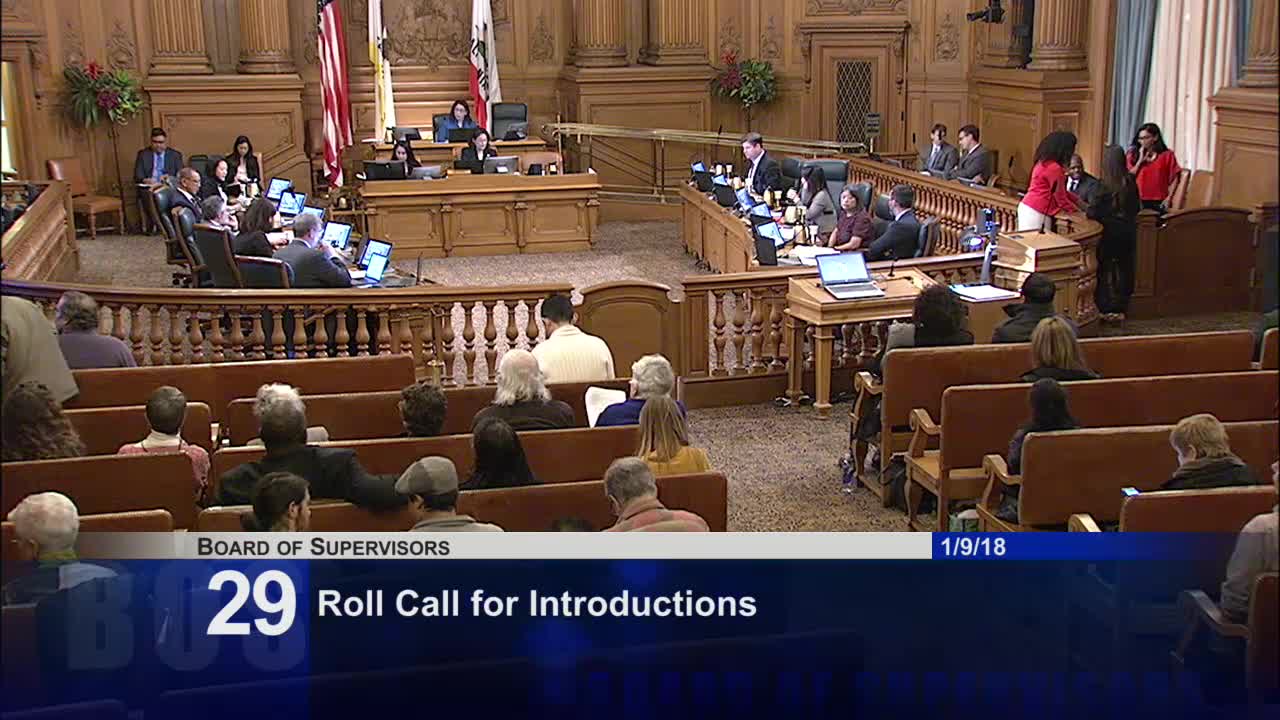
Supervisors Kim and Yi introduced legislation on Jan. 9 to create a Babies and Families fund that would finance a large expansion of early childhood education and childcare supports, beginning with seed revenue redirected from an increase to the city’s commercial rent tax.
Under the legislation description presented to the board, the proposal would: raise the commercial rent tax rate by 3.5 percentage points for most commercial uses such as offices and chain retail, add 1 percentage point for warehouses, and continue exemptions for small property owners under $1 million in gross receipts and for nonprofits, government, manufacturing and arts uses. The supervisors said the fund would amount to more than $100,000,000 and would be used for preschool, childcare slots for ages 0–3, provider wage and workforce stability measures, and supports for families.
Supervisors who spoke in support emphasized long wait lists and the consequences for families and the early‑childhood workforce. Supervisor Kim said 2,400 San Francisco families are on wait lists for income‑eligible early childhood services and cited the high annual cost of infant care in San Francisco (she referenced an approximate $20,000 figure). Supervisor Norman Yee and Supervisor Yi described research showing early childhood investment raises employment and long‑term educational outcomes. Kim also referenced historical precedent for large public childcare investment, noting the federal Lanham Act’s wartime childcare program in 1940 as an example.
The proposal is in introduction form; no final vote or appropriation occurred on Jan. 9. Sponsors said they intend the ordinance to create a funding vessel for the new revenue and to draft implementation details and exemptions in subsequent committee work. Supervisors signaled the item will require additional analysis by the controller and city attorney and a public process to refine eligibility, program design and workforce provisions.
Why it matters: supporters said the fund would expand access to childcare, stabilize the childcare workforce with better wages, and help keep families in San Francisco. Opponents (not present at the Jan. 9 introduction) would likely raise questions about impacts to commercial tenants, competitiveness and revenue estimates. The ordinance will need follow‑up budgeting and fiscal analysis before the board can adopt rate changes or spending commitments.