Get Full Government Meeting Transcripts, Videos, & Alerts Forever!
Get email alerts on the Affordable Housing Finance topic
No spam. Unsubscribe anytime.
Board rejects ordinance that would have barred taxpayer‑backed affordable housing cash‑outs for political campaigns
Summary
The San Francisco Board of Supervisors voted 3–8 to defeat an ordinance that would have prohibited nonprofit affordable‑housing developers from using cash‑out proceeds while city loans remained outstanding to fund political campaigns. Supporters said the measure closed a loophole; opponents warned of First Amendment and fairness concerns.
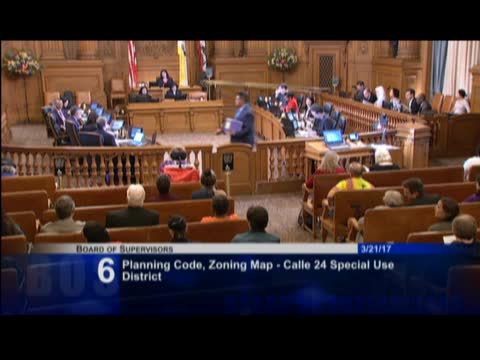
The San Francisco Board of Supervisors voted 3–8 on March 21 to reject an ordinance that would have amended the Administrative Code to bar use of cash‑out proceeds from affordable housing projects funded in whole or in part by taxpayer dollars for political campaigns while city loans or grants remained outstanding.
Proponents said the ordinance, introduced by Supervisor Farrell, was aimed at preventing developers who benefit from Mayor's Office of Housing and Community Development (MOHCD) loans from leveraging public investment into political spending. "I firmly believe that we should ensure every penny available for affordable housing in San Francisco is being solely used for affordable housing needs, period," Supervisor Farrell said during the debate.
Supporters argued the change would close a loophole in local rules and the city’s budget process by making clear that refinancing proceeds tied to projects that still carry MOHCD dollars must first repay the city or remain dedicated to housing. Deputy City Attorney John Givner told the board his office had approved the proposed amendment "as to form," meaning there were colorable arguments to defend it in court if the ordinance passed.
Opponents, including Supervisors Kim and Peskin, said the ordinance risked chilling lawful nonprofit political speech and unfairly singled out affordable‑housing organizations. "Government must be careful when it crafts ordinances that restrict First Amendment rights," Supervisor Kim said, calling the measure "designed to chill the lawful free speech of nonprofit organizations." Peskin noted existing Internal Revenue Service rules and argued any restriction should be broader and apply to all recipients of public subsidy, not only nonprofits building affordable housing.
A series of amendments proposed by Farrell in response to developer concerns — including language clarifying the scope of permissible spending consistent with IRS 501(c)(3) rules and removing references to developer fees — were adopted before the final vote. The final roll call on the ordinance as amended recorded ayes from Supervisors Sheehy, Chang and Farrell; Chang and Sheehy said they supported restricting use of taxpayer dollars while loans remained outstanding. The ordinance failed when eight supervisors voted no.
The ordinance's central operative text would have applied "during any period while a loan, grant, or other funds provided by MOHCD remains outstanding," according to the sponsor's description at the meeting. Proponents said the measure targeted situations where developers refinance a project, do not repay the city's investment, and then use proceeds for political purposes; opponents said many refinancings fully repay city loans and that other remedies exist.
Because the ordinance was defeated, the Board did not adopt the proposed Administrative Code change. Supporters said they would continue pushing for policy or administrative steps to address the issue; MOHCD officials told the board they plan to work with developers to craft a clearing policy for cash‑out proceeds. The clerk recorded the item as failed on the final roll call.