Get Full Government Meeting Transcripts, Videos, & Alerts Forever!
Get email alerts on the Parks And Recreation topic
No spam. Unsubscribe anytime.
Board of Supervisors opposes proposed GGNRA dog‑walking rule after heavy public comment, 10‑1
Summary
The San Francisco Board of Supervisors on March 15 adopted a resolution opposing the Golden Gate National Recreation Area(GGNRA) proposed rule that would sharply restrict on‑ and off‑leash dog walking across urban parklands, following extended public comment and competing testimony from conservation groups and dog‑owner advocates.
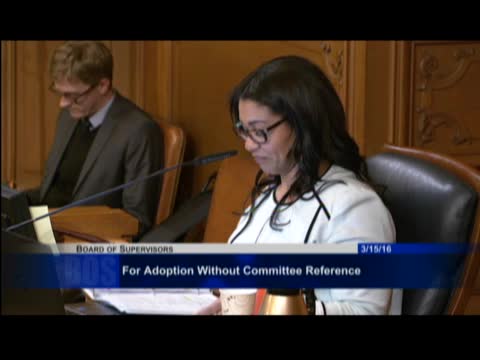
The San Francisco Board of Supervisors on March 15 adopted a resolution opposing the Golden Gate National Recreation Area(GGNRA) proposed rule that would dramatically limit where people may walk dogs in parklands across San Francisco, Marin and San Mateo counties. The resolution passed on a roll call with 10 supervisors voting in favor and one dissenting vote from Supervisor Marr.
Supporters of the resolution said the GGNRA plan would displace thousands of dog owners into already crowded city parks and that the federal agency did not adequately study the local impacts. Supervisor Tang, who introduced the resolution, said the board was not seeking to expand off‑leash areas but was urging the Park Service to produce a balanced plan. "There is nowhere in this resolution where it says that ... we are wanting to expand, and encourage off leash dog walking," Tang said during remarks on the item.
The resolution follows months and years of local debate and a sustained public comment campaign. Dozens of residents and organized groups testified at the board meeting. Sally Stevens, chair of SFDOG, told supervisors the park service had not responded to thousands of public comments and that the draft rule would "cut access for people with dogs by 90%" in areas the group and others currently use. Sameer Ghosh, a District 8 resident, urged the supervisors to consider short‑ and long‑term economic and social impacts if access is reduced, saying dog owners are "good stewards of their parks." Martha Walters of the Crissy Field Dog Group said the GGNRA was established as an urban recreation area and that limiting dog access will cause dispersion into city parks.
Opposing testimony came from conservation and national‑park advocates who said the proposed rule aims to protect sensitive habitat, wildlife and visitor experiences across the GGNRA. Neil Desai of the National Parks Conservation Association urged the board to "bring equity and balance to all users of this national park, not just one user group," and said some areas of the GGNRA contain habitats that warrant restriction. Supervisor Marr, the lone vote against the board resolution, said he supported the intent to press the Park Service to listen but concluded the board's resolution did not strike the right balance; "I will be voting no on this measure this time," Marr said, citing the need to protect sensitive habitat while also accommodating dog access.
Supervisor Wiener, an author and longtime opponent of the draft rule, framed the vote as a call for local voice in a long federal process: "This restriction ... will dramatically and unreasonably restrict dog access," he said, adding that the change would push dogs into already overcrowded city parks.
The GGNRA has been accepting public comment on a multi‑year rulemaking process; the Park Service has described the proposal as an effort to manage visitor use and protect wildlife and habitat. The boardresolution urges the GGNRA to reconsider the rule in light of local recreational needs and potential impacts on municipal parklands.
At the same meeting supervisors also unanimously adopted a separate resolution supporting state legislation to change how dogs seized in animal‑fighting cases are treated by law (item 20).