Get Full Government Meeting Transcripts, Videos, & Alerts Forever!
Get email alerts on the Transportation Fee topic
No spam. Unsubscribe anytime.
Board adopts higher Transportation Sustainability Fee over mayor’s veto threat; 6-5 vote
Summary
The Board approved an increase to the Transportation Sustainability Fee (TSF) for large nonresidential projects despite a mayoral veto threat, voting 6-5 after a heated exchange over fairness and fiscal feasibility.
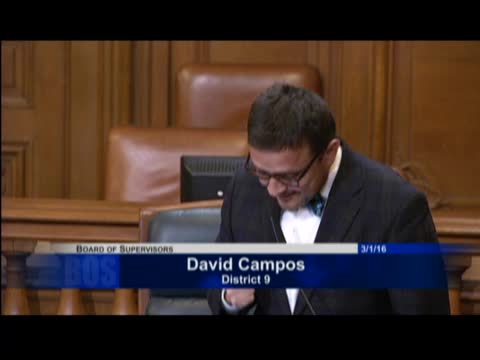
The San Francisco Board of Supervisors approved changes to the Transportation Sustainability Fee (TSF) for nonresidential projects on March 1, passing the ordinance on a 6-5 vote after a contentious discussion and public statements that the mayor planned to veto the version passed by the Board.
Supervisor John Avalos led the discussion in support of raising the TSF to generate more funding for transit and active-transportation improvements. Avalos said the Board’s adopted version reflected extensive work with city agencies and local stakeholders and argued a veto would leave taxpayers to cover transit impacts. He criticized the mayor’s staff for saying the ordinance “unravels years of collaborative work,” saying the Board’s measure was the result of open committee and commission processes.
Avalos and other backers said the increased TSF would reduce the burden on Muni riders and city general funds by charging large nonresidential developers more for transportation impacts. Opponents argued the increase undercuts a previously negotiated package that many stakeholders considered the “historic agreement” and said the Board should not upend that deal.
The roll call vote recorded six ayes and five noes, with Supervisors Wiener, Breed, Cohen, Farrell and Tang voting no; the ordinance passed. Supervisor Avalos noted the board’s continued emphasis on fiscal feasibility in other contexts and said the TSF had room to be raised while keeping projects feasible.
Why it matters: The TSF provides a revenue mechanism to help fund transportation improvements citywide. The mayor’s statement that he would veto the ordinance indicates the measure may face an executive veto and potential negotiation or ballot action to resolve differences.
Action: Ordinance altering the TSF passed by the Board (6-5). The mayor’s office had said it would veto the ordinance as adopted; adoption does not guarantee the change will take effect if the mayor vetoes and the board does not override or pursue other remedies.