Get Full Government Meeting Transcripts, Videos, & Alerts Forever!
Get email alerts on the Pier 70 Infrastructure Financing topic
No spam. Unsubscribe anytime.
Board approves Pier 70 infrastructure financing district to fund Crane Cove Park and repairs
Summary
The Board of Supervisors unanimously approved an ordinance creating an infrastructure financing district (IFD) covering Pier 70, authorizing tax-increment capture, a bond authorization and related agreements to help fund parks, utilities and sidewalk repairs tied to Orton Development’s Pier 70 rehabilitation.
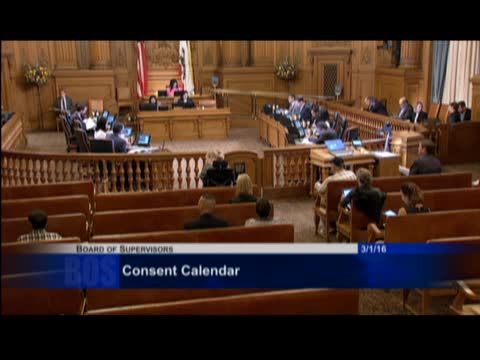
The San Francisco Board of Supervisors unanimously adopted an ordinance on final reading on March 1 to establish City Infrastructure Financing District No. 2 covering Pier 70, authorize a tax-administration memorandum and approve an infrastructure financing plan and related actions to support Pier 70 public improvements.
The measure, presented by Interim Port Director Elaine Forbes and Brad Benson, director of special projects for the Port of San Francisco, will allow the city to capture property tax increment above a base year and use the revenue stream to support public infrastructure and park development at Pier 70, including later phases of Crane Cove Park and electrical/sidewalk work tied to the Orton Development lease.
Forbes said the port’s goal with the IFD is to address a port capital backlog and “invest in needed public infrastructure” to revitalize Port property and the public realm. Benson described the IFD structure, saying it leverages local and state shares of property tax and estimates capture of roughly 90 cents of each incremental dollar at Pier 70. Benson said the district is sized to collect about $710,000 per year over roughly 45 years, and the IFD would support a mix of pay-as-you-go funding and debt, including an up-to-$25 million bond authorization included in the package.
Supervisor Malia Cohen, the item sponsor, framed the IFD as “critical to the future of Pier 70” and an essential financing tool to pay for parks, streets and other needs. Supervisors asked port staff about job impacts and local hire commitments. Brad Benson and Forbes said parts of the Pier 70 work are private construction (Orton’s rehabs) and parts will be public works funded by the IFD; they said Orton has an LBE participation target the presenter listed as 17 percent for its private construction and that OEWD (Office of Economic and Workforce Development) and Commerce and Media & Development monitoring will apply. Forbes and Benson said the specific local-hire percentage for Orton’s workforce would be provided after follow-up with the developer, and that IFD-funded public works projects would be subject to the City’s local-hire and LBE rules.
Benson described use of IFD proceeds: initial developer/port contributions of about $1.7 million, a potential bond issue of about $6.6 million (subject to board approval later), and pay-as-you-go tax increment totaling about $15 million. He said Crane Cove Park Phase 2 was the largest planned IFD use (about $14 million estimated), with other uses including moving electrical infrastructure out of historic buildings and sidewalk/safety improvements along 20th Street.
The ordinance passed on final reading with an 11-0 roll call vote. Benson said the ordinance’s effective date would be April 10 if adopted, and the port planned to seek judicial validation by early May to support bonding plans.
Why it matters: The IFD provides a financing tool short of general-fund borrowing to pay for park and public-realm work needed to support private redevelopment at Pier 70 and to stabilize and rehabilitate historic waterfront buildings. Supervisors pressed for specifics about local hiring and LBE participation; port staff committed to follow up with details and to work with city enforcement offices.
For further actions, the port and development partners expect to return with bond issuance approvals, project-level designs and any required contracting documents and environmental clearances.