Get Full Government Meeting Transcripts, Videos, & Alerts Forever!
Get email alerts on the Public Health Policy topic
No spam. Unsubscribe anytime.
Supervisors pass three ordinances curbing sugar‑sweetened beverage advertising and requiring health warnings
Summary
The board unanimously advanced three ordinances on first reading that would restrict sugary drink advertising on city property, bar city purchases under most circumstances, and require health warnings on sugary beverage advertisements.
The Board of Supervisors unanimously passed three related ordinances on first reading on July 9 aimed at curbing the public health impact of sugar‑sweetened beverages.
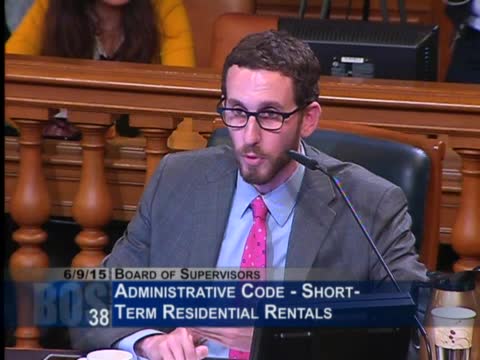
Supervisor Scott Wiener, joined by Supervisors Maher and Cohen and others, presented three measures: (1) an ordinance to prohibit advertising of sugar‑sweetened beverages on city property; (2) an ordinance to bar city departments from using city funds to purchase sugar‑sweetened beverages and to bar sale or distribution of such beverages under City contracts and grants; and (3) an amendment to the health code that would require health warnings in advertisements for sugar‑sweetened beverages and penalties for noncompliance.
Weiner said the legislation is modeled in part on tobacco‑warning approaches and cited public health data linking sugary drinks to type‑2 diabetes, fatty liver disease and other conditions. He noted that a November ballot measure received 56 percent of San Francisco votes in favor of a soda tax proposal and argued the board should act on advertising and procurement as an additional tool.
Supervisors Cohen, Maher, Mar and others spoke in support, stressing public health and racial‑equity concerns. With "same house, same call," the board passed the ordinances unanimously on first reading; final adoption will require subsequent actions according to the city's ordinance process.
Ending: The measures now move on to further readings and implementation steps required by city ordinance rules.