Get Full Government Meeting Transcripts, Videos, & Alerts Forever!
Get email alerts on the Housing Affordability topic
No spam. Unsubscribe anytime.
Mayor Lee urges $300 million housing bond, seeks $50 million for Mission stability
Summary
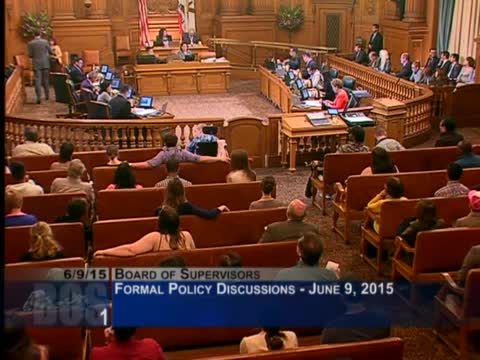
Mayor Edwin Lee told the Board of Supervisors the proposed 2015 affordable housing bond should be increased by $50 million to target the Mission neighborhood, bringing the bond to $300 million as part of a broader multi‑year housing plan.
Mayor Edwin Lee told the San Francisco Board of Supervisors on July 9 that his proposed 2015 budget includes a balanced spending plan and a request that the board amend the city's proposed affordable housing bond to add $50,000,000 dedicated to planning, acquiring and building affordable housing in the Mission neighborhood.
Lee said the increase would lift the 2015 affordable housing bond to $300,000,000 without raising property taxes and would be part of a larger five‑year, $1.1 billion affordable housing response plan that he said aims to build, rehabilitate and preserve 30,000 homes by 2020, including more than 10,700 affordable homes for low‑ and middle‑income families.
The mayor framed the requested Mission allocation as part of a "Mission 2020" strategy to stabilize a community he described as two‑thirds low and moderate income, by acquiring sites, preventing displacement, expanding job opportunities and strengthening small businesses. He also pointed to expected new market‑rate development that he said could generate more than $100,000,000 in fees over two years to help pay for affordable housing.
Supervisor Julie Christensen asked what the mayor's office could do specifically for District 3 where few open sites exist; Lee responded that the administration will pursue funding and programmatic tools, citing accessory dwelling unit legislation and a proposed neighborhood preference program that would prioritize local residents for affordable housing opportunities.
No formal vote was taken on the bond at the July 9 meeting; the mayor presented the budget and urged the board to work with his office on the package going forward.
The discussion focused on tradeoffs the administration outlined between creating new supply, preserving existing affordable units and crafting policies to keep long‑time residents in place.
Looking ahead, Lee framed the budget submission as the first step in a process of negotiations with the board and community stakeholders on how to allocate the proposed bond and other housing resources.
Ending: The mayor closed by urging the supervisors to act on the housing agenda as the budget process continues; supervisors followed with routine consent business and separate items on housing policy later in the meeting.