Get Full Government Meeting Transcripts, Videos, & Alerts Forever!
Get email alerts on the Housing Policy Reporting topic
No spam. Unsubscribe anytime.
Board approves first reading of housing-balance ordinance requiring biannual reporting on affordable housing production
Summary
Supervisor Kim's ordinance requires the Planning Department to publish biannual data on the proportion of new housing affordable to the city's residents, and to report annually to the Board of Supervisors; the measure passed unanimously on first reading amid extensive debate over causes of rising housing costs.
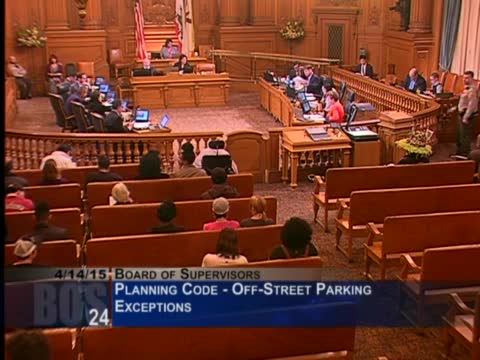
The Board of Supervisors passed on first reading April 14 an ordinance introduced by Supervisor Julie Kim requiring the Planning Department to track and report the share of new housing that is affordable to San Francisco residents and to hold an annual public hearing on progress toward the city's housing goals.
The legislation directs the Planning Department to publish a biannual report calculating the proportion of new affordable housing (defined in the ordinance as housing affordable to households earning up to 120 percent of area median income) within a 10-year rolling timeframe; to quantify loss of rent-controlled and affordable units; and to post the data on the department's website. The ordinance was presented as a tool to provide accountability and to inform decisions about proposed funding measures such as an affordable housing bond.
Sponsor Supervisor Kim told the board that the ordinance is intended to provide a reliable, city-produced dataset so the city does not rely on community volunteers to compile such figures. "We should have this data, and we shouldn't ask community volunteers to come up with these numbers for us," she said. Kim and other speakers cited the city's affordable-housing target (the mayor's goal that one-third of new units be affordable) and regional planning numbers from the Association of Bay Area Governments (ABAG), including the Regional Housing Needs Allocation (RHNA), as context for the measure.
The ordinance drew extended debate about the causes of housing cost increases. Some supervisors and members of the public argued that slow project approvals, CEQA litigation and local ballot measures contribute to constrained supply; others said those factors alone do not explain rising prices and emphasized the need for direct public investment in affordable housing. Supervisor Campos urged the board to hold hearings to ensure displaced residents can return when public housing is rebuilt, citing community concerns. Supervisor Wiener and others argued producing more housing overall matters to prices and that an all-of-the-above approach is needed.
Supervisor Cohen asked whether the ordinance's findings should also reference research from the California Legislative Analyst's Office about causes of high housing costs; Cohen proposed an amendment drawing on that analysis. Sponsor Kim declined to accept the amendment, saying she disagreed with the amended language's characterization. Several supervisors said they opposed the amendment while supporting the underlying reporting requirement.
After debate the board took the item "same house, same call" and, without objection, passed the ordinance on first reading unanimously.
Supporters and nonprofit housing advocates present included the Council of Community Housing Organizations, Tenderloin Neighborhood Development Corporation, South of Market Community Action Network and others who backed the reporting requirement. Kim said the Planning Department committed to making the first housing-balance report available by June 1 to inform discussions about an affordable-housing bond.
The ordinance requires future biannual reporting by Planning; it does not itself appropriate funds. The Planning Department will produce the first report, and the board will hold an annual hearing to review progress toward the housing-balance goal.
The measure passed first reading; it will return for a second reading and final vote in a subsequent meeting cycle.