Get Full Government Meeting Transcripts, Videos, & Alerts Forever!
Get email alerts on the Ethics topic
No spam. Unsubscribe anytime.
Board of Supervisors approves response to civil grand jury ethics report after contentious debate
Summary
The San Francisco Board of Supervisors voted 6'4 to adopt a response to the 2013'14 civil grand jury report on ethics after rejecting amendments that would have broadened audits and required new preservation and disclosure steps.
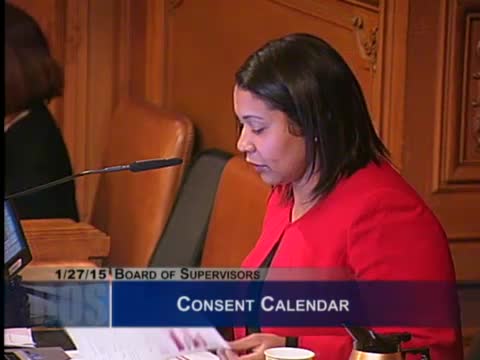
The San Francisco Board of Supervisors voted 6–4 on Jan. 27 to adopt a formal response to the civil grand jury's 2013–14 report titled "Ethics in the City: Promise, Practice, or Pretense," after a heated debate over amendments proposed by Supervisor Avalos.
Supervisor Avalos told the board he wanted the city to take a more proactive role in pursuing reforms recommended by the grand jury, including a board-directed audit of forfeited campaign contributions, formal preservation policies for records on personal devices timed to pending California Supreme Court guidance, stricter travel-gift transparency, and reconsideration of staffing recommendations for the Ethics Commission. "I wanted to make sure I had ample time ... My staff had been working on this and I found that there were a number of items in the resolution that I think it would be who was to take more action on," Avalos said during the debate.
Members of the Government Audit and Oversight (GAO) committee and others pushed back, arguing the committee had crafted the earlier responses with the board's budget process and existing procedures in mind. "There are four types of responses the board is allowed to make when responding to civil grand jury reports," a GAO representative explained, and committee members reiterated that legislative steps remained available to any supervisor. Supervisor Campos pressed for language acknowledging the grand jury's concerns and for a stronger statement that the board would act. Supervisor Weiner cautioned against inserting on-the-fly legislative intent into a response to the grand jury and urged the regular legislative process for substantive law changes.
Several proposed amendments were read aloud and seconded; the board voted against Avalos's package of amendments by voice/roll call (vote on the amendments failed, 4–6). After that defeat, the board moved to the underlying response and approved it by recorded vote, with the clerk announcing the final tally as "6 ayes and 4 nos." The board did not adopt Availos's broader amendments. Supervisor Campos announced he would vote against the final response, saying the board's filing made it appear the board was not adequately addressing the grand jury's concerns.
The ordinance-language dispute centered on who should request audits and policy changes and whether the board's official response should urge specific legislative action or leave those steps to individual supervisors and the regular legislative process. The record shows discussion of: (1) asking the controller to audit forfeited contributions, (2) requesting preservation policy recommendations from the Sunshine Task Force, the Ethics Commission and the City Attorney, (3) supporting additional transparency on travel gifts while avoiding unduly burdensome reporting, and (4) declining a request to create a dedicated commission secretary position while supporting more investigators for the Ethics Commission.
Action taken: the board's formal response to the civil grand jury report was approved as presented; amendments offered from the floor were rejected. The vote was recorded as 6 in favor, 4 opposed.
What happens next: The response will be transmitted to the court and to the grand jury per the established process; supervisors who wish to pursue legislative changes can introduce ordinances or resolutions in the usual way and route them through committee.