Get Full Government Meeting Transcripts, Videos, & Alerts Forever!
Get email alerts on the Labor Workers Scheduling topic
No spam. Unsubscribe anytime.
Board approves ordinances to limit erratic schedules at formula retail stores
Summary
The San Francisco Board of Supervisors voted unanimously to adopt two ordinances aimed at curbing unpredictable scheduling and improving protections for workers at formula retail establishments, including notice rules, on-call pay, parity for part‑time staff and a 90‑day retention requirement after a change in control.
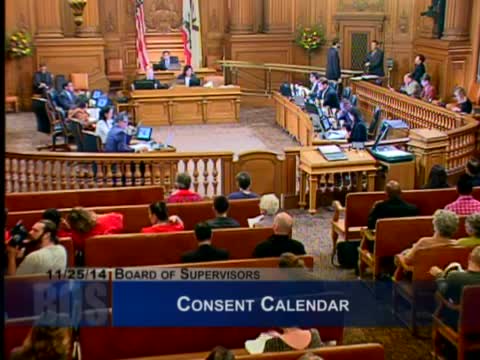
The San Francisco Board of Supervisors on Nov. 25 adopted two ordinances that create scheduling and hiring protections for employees of formula retail establishments, following months of hearings and coalition advocacy.
The pair of ordinances—filed as items 5 and 6 on the board agenda—require formula retail employers to provide employees with advance notice of schedules, compensate for short‑notice schedule changes and unused on‑call shifts, offer parity in starting pay and promotion eligibility for part‑time workers, and require successor employers to retain affected employees for 90 days after a change in business control.
Supervisor Marr, one of the principal proponents, described the package as a “retail workers Bill of Rights” and argued it would protect tens of thousands of low‑wage workers in San Francisco. “Retail workers have the right to be offered full time hours before an employer may hire additional part time workers,” Marr said during discussion, summarizing key provisions.
Supporters framed the ordinances as a complement to earlier local labor measures such as San Francisco’s minimum wage and paid sick‑leave laws. Marr and others said predictable schedules and stable hours reduce poverty risk and help workers balance family and employment obligations.
Supervisor Breed (seconded by others) acknowledged concerns raised about some categories of covered workers, saying she had drafted an amendment to require formula retailers to notify existing contractors about new obligations. She said she would introduce that change as “trailing legislation” at a later meeting to allow further outreach to contractors and the Office of Labor Standards.
Several supervisors thanked the broad coalition of labor and community organizations that advocated for the laws and noted input from small business representatives had been solicited during the drafting process.
The ordinances were adopted by roll call vote. The board recorded 10 ayes (Mar/Marr, Tang, Weiner, Yi, Avalos, Breed, Campos, Chu, Farrell, Kim) and no nays or abstentions.
The measures now move to implementation steps that will be handled by the city’s enforcement office, including education for both employers and employees about the new requirements and any rulemaking needed to operationalize notice and pay standards.
An official summary of the ordinances describes the rules as targeted at “formula retail establishments” (corporate‑style retailers defined in the Police Code) and notes limited carve‑outs and compliance timelines intended to give employers time to adjust. The city’s Office of Labor Standards will be responsible for outreach and enforcement.