Get Full Government Meeting Transcripts, Videos, & Alerts Forever!
Get email alerts on the Public Safety Enforcement topic
No spam. Unsubscribe anytime.
Supervisors pass first reading of ordinance expanding civil remedies, restrictions for graffiti offenders
Summary
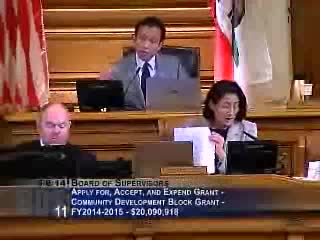
An ordinance to expand enforcement tools for graffiti offenses and to tighten controls on graffiti in parks and on municipal transit vehicles passed the San Francisco Board of Supervisors on first reading May 6.
An ordinance to expand enforcement tools for graffiti offenses and to tighten controls on graffiti in parks and on municipal transit vehicles passed the San Francisco Board of Supervisors on first reading May 6.
The measure, introduced by Supervisor Breed, authorizes the city to collect and better preserve graffiti evidence, allows the city attorney to pursue civil lawsuits against repeat offenders for monetary penalties or community service, and extends administrative remedies for graffiti committed on public property. The board adopted several amendments on the floor, including language clarifying the ordinance applies to "graffiti vandalism," explicitly listing restorative justice outcomes such as community service and repair of affected properties as available remedies, and shortening the lookback period for prior graffiti convictions from 10 years to seven years.
Breed told supervisors the ordinance is the result of months of work with multiple city departments, impacted property owners and artists and drew on national best practices. "We no longer have to depend solely on the criminal courts," she said, arguing civil suits would allow the city to hold “the worst and repeat offenders” accountable and pursue remedies beyond criminal penalties. Breed said the policy could reduce graffiti and save the city money: she cited an estimate that graffiti costs San Francisco about $19,000,000 per year and said similar systems in other jurisdictions had reported significant decreases in graffiti.
Supervisor Kim led several floor amendments, asking the board to define the measure as targeting "graffiti vandalism," to make the conviction lookback consistent with the city's Fair Chance and background-history rules, and to add restorative justice language. Several amendments were accepted without objection and were incorporated into the ordinance before the first-reading vote.
Deputy City Attorney John Givner advised the board there were no legal obstacles to the seven-year change and offered to follow up on technical questions. Supervisors who spoke in favor highlighted cross-department coordination and endorsements from community groups; the ordinance's staff report and the sponsor’s remarks listed endorsements from Mayor Ed Lee, the Graffiti Advisory Board and the San Francisco Arts Commission.
Roll-call voting on the amended ordinance produced 11 ayes; the clerk announced the measure “passed on the first reading as amended.” The matter will return for the second reading and final passage according to the city's ordinance process.
Supporters said the ordinance would improve evidence collection and expand remedies available to the city; advocates also noted the bill intentionally preserves restorative approaches as well as civil remedies. Opponents did not block the first-reading approval on May 6, though some supervisors asked for and received floor amendments to limit unintended impacts; the board agreed to revisit details and implementation in subsequent steps.
The ordinance text and the planning/administrative materials filed with the clerk show the measure amends policing and public-works code sections to ban convicted graffiti offenders from bringing graffiti tools into parks or onto municipal transit vehicles, extends administrative processes for graffiti on public property, and permits the city to seek civil remedies against repeat offenders. The clerk recorded the ordinance as passed on the first reading; the second-reading date will be posted in subsequent board materials.