Get Full Government Meeting Transcripts, Videos, & Alerts Forever!
Get email alerts on the Child Welfare Permanency topic
No spam. Unsubscribe anytime.
Lawmakers advance bill tightening timelines for foster-care reunification and permitting limited third-party filings
Summary
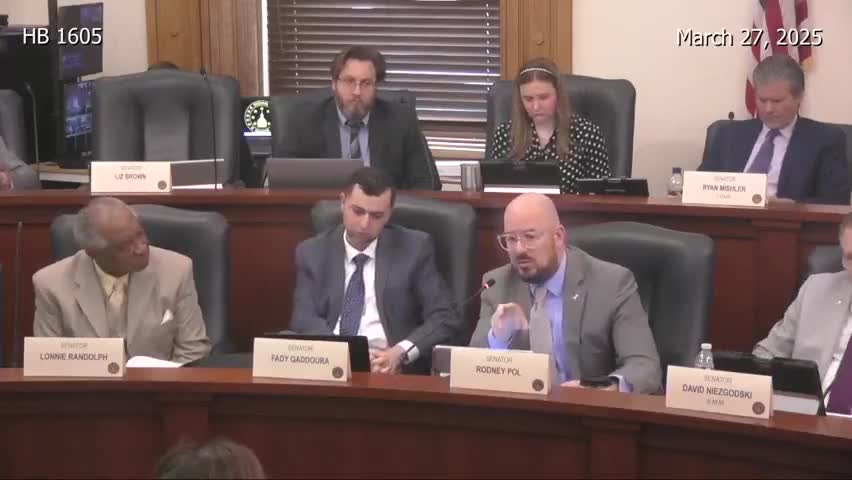
The committee advanced House Bill 1605, a broad rewrite of timelines and procedural rules in child-welfare proceedings intended to speed permanency for children who cannot be reunified with parents; the measure passed committee 10-3 after extended debate over parental rights and court discretion.
The Appropriations Committee advanced House Bill 1605 on a 10-3 roll-call vote after more than an hour of testimony and debate over how to balance quicker permanency for foster children with parents’ due-process protections. Representative McGuire, sponsor of the bill, described the measure as an attempt to reduce delays that leave children in temporary care for multiple years.
The bill contains multiple provisions aimed at accelerating permanency decisions, including new limits on implied continuances of procedural deadlines in termination-of-parental-rights (TPR) proceedings, a requirement the court hold an initial TPR hearing within 30 days of filing, expanded rights for long-term caregivers to intervene under specified guardrails, and tightened guidance on reunification timelines with narrowly drawn exceptions for “no fault of the parent” such as a lack of treatment slots. Representative McGuire said the measure was modeled on reforms in other states and designed to prioritize children’s stable homes while preserving judicial discretion to extend services for good cause.
Supporters said Indiana’s adoption and permanency timelines trail national norms and that the bill helps free foster homes and treatment slots by preventing extended, nonproductive reunification efforts. Opponents in committee, including Senators Poe and Randolph, warned the bill risked curtailing judicial discretion and raised questions about Title IV-E federal funding rules and whether expanded third-party filing authority (allowing certain foster parents or guardians to file TPR petitions) could have unintended consequences.
Representative McGuire said DCS and family-juvenile judges had been consulted during drafting and that the bill includes protections for parents who are making good-faith progress or who lack access to ordered services through no fault of their own. She also said the bill does not alter appellate or due-process rights.
Actions and votes: - Committee vote on House Bill 1605 (as presented): passed 10 yes, 3 no. The roll-call included multiple senators explaining their votes (reasons recorded in transcript). The committee chair noted the bill will continue through legislative process.
Implementation and fiscal notes: Sponsors said some provisions should reduce state costs by shortening prolonged reunification efforts that use case-manager time and paid services; committee members asked for more precise fiscal estimates. Opponents cautioned about potential federal funding implications tied to Title IV-E if reunification services are curtailed improperly.
What happens next: Because the bill affects court procedure and child-welfare practice, committee members said they would continue coordination with the Department of Child Services, juvenile court judges, public defenders and provider networks as the bill moves forward.
Ending: Supporters framed the bill as a child-first reform to reduce time children spend without a permanent home; opponents urged caution to preserve judicial discretion and ensure no unintended funding consequences.