Get Full Government Meeting Transcripts, Videos, & Alerts Forever!
Get email alerts on the Homelessness Plan topic
No spam. Unsubscribe anytime.
Staff outlines timeline for Clark County five-year local homeless housing plan
Summary
Clark County staff briefed the Urban County Policy Board on a parallel five-year local homeless housing plan being developed for state submission, including stakeholder engagement, data sources and a December submission target.
Michael Torres of Clark County Community Services updated the Urban County Policy Board on the county’s separate five-year local homeless housing plan, which is being prepared for state submission and includes stakeholder engagement, prioritized capital project criteria and annual reporting requirements.
Torres said the county is required to submit the local plan to the state and expects county approval in late fall with a December submission. The plan will rely on multiple data sources, including the county’s Homeless Management Information System (HMIS), surveys and an inventory of funding sources that could be used for homelessness activities (Torres specifically mentioned House Bill 1406 funds, the mental health sales tax fund and property levies as examples of sources to be inventoried). Torres said the steering committee includes designated stakeholders representing the continuum of care and that the county will run focus groups and engage people with lived experience — who will be compensated for participation — between June and October 2025.
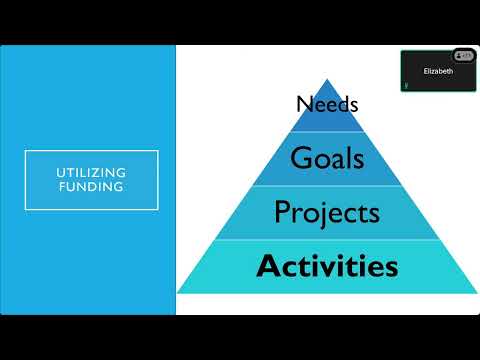
Torres described plan objectives: estimating local needs, creating goals and metrics for an equitable and accountable crisis-response system, strengthening homeless-service provider workforce capacity and prioritizing assistance based on barriers and vulnerability. He noted workforce constraints among providers — citing a 53% staff turnover rate reported by one provider, SHARE, over two years — and said some providers have declined additional rental-assistance funding because they lack staffing capacity to expend it and manage program reporting.
The board asked whether the county’s analysis counts only county-held revenues or also city-held funds; Torres said the focus is primarily on county resources though some cities receive and use their own allocations. He confirmed publicly funded entities funded by Clark County and the City of Vancouver use HMIS and that many non-publicly funded providers also report into HMIS, providing a consolidated dataset for planning.
Torres said the county steering committee will meet through the summer and fall and that the county will brief the board and solicit feedback prior to county-level approval and state submission.