Get Full Government Meeting Transcripts, Videos, & Alerts Forever!
Get email alerts on the Emergency Policy Workers Rights topic
No spam. Unsubscribe anytime.
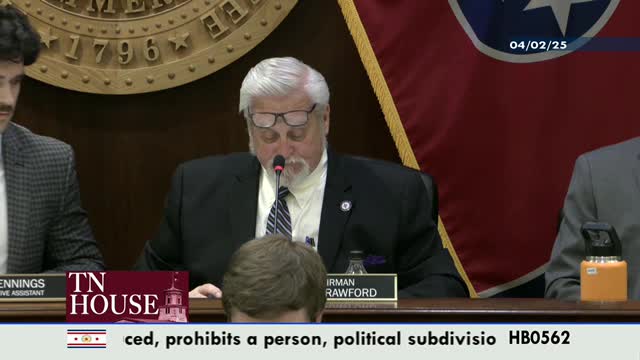
Panel advances 'essential occupations' bill after heated debate over pandemic-era restrictions
Summary
House Bill 5 62 would prohibit state and local officials from designating lawful occupations as nonessential during a declared emergency and gives affected workers a private right of action; the committee advanced the measure despite questions about public‑safety tradeoffs and potential liability exposure for officials.
The State and Local Government Committee advanced House Bill 5 62 after extended and sometimes contentious debate about emergency authority and worker protections.
Representative Fritz, sponsor of the bill, said the measure would reaffirm that “all legal work is honorable” and would prevent officials from classifying lawful occupations as nonessential during an emergency, while providing affected workers a civil remedy. Fritz said the proposal was driven by accounts from small‑business owners—hairdressers, barbers and others—who lost income when public health restrictions curtailed in‑person services during the COVID‑19 pandemic.
Supporters recounted personal stories from constituents who could not operate or take rent from booth renters and small businesses that struggled to survive. Those supporters urged a statutory right of recourse for workers and owners they said had been “declared nonessential.” Representative Carringer and Patrick Sheehan, who described himself as the son of a barber and a small‑business advocate, testified in favor of the bill.
Opponents warned the measure could have unintended consequences during natural disasters, public‑health emergencies, or incidents requiring safety cordons. County and emergency‑management representatives said a broad prohibition on classifying occupations during an emergency could limit local officials’ ability to secure disaster areas, protect responders, or manage life‑safety risks. One committee witness described the potential for conflict between keeping the public safe and allowing all occupations to operate inside a disaster zone.
Representative Fritz said the bill’s purpose is to give workers an avenue for redress and “has teeth” so individuals who lost livelihoods could seek civil remedies.
The committee voted to advance the bill to Calendar and Rules. The recorded committee tally at the time of the vote was 5 ayes, 5 nays, and 5 present not voting; the sponsor was reported to have the bill moved to the next step following that vote and scheduling procedures.
Members indicated concerns remain about the scope of the prohibition during declared emergencies and asked staff to clarify interactions with emergency‑management authority and public‑safety exceptions if the bill moves further.