Get Full Government Meeting Transcripts, Videos, & Alerts Forever!
Get email alerts on the Property Law topic
No spam. Unsubscribe anytime.
Assembly requires removal of discriminatory restrictive covenants from deeds at sale
Summary
The Assembly passed A.1828 to require sellers to remove certain discriminatory restrictive covenants from deeds or submit a modification document at closing; debate focused on prevalence, religious communities, and administrative ease.
The Assembly approved legislation (A.1828) requiring sellers to remove or record a modification eliminating discriminatory restrictive covenants in deeds before sale. The measure targets covenants that limit ownership or use based on protected characteristics and directs sellers to provide purchasers or title applicants with a modification document at closing.
Sponsor Assemblymember Steck said the bill “prohibits the inclusion and calls for the expungement of restrictive covenants indeed, which have in many instances already become illegal under current law,” and cited federal contract regulation 48 C.F.R. 52.222‑21 as a related example. He argued that relying on litigation to remove discriminatory covenants is expensive and that removing them at closing is a lower‑cost, more efficient solution.
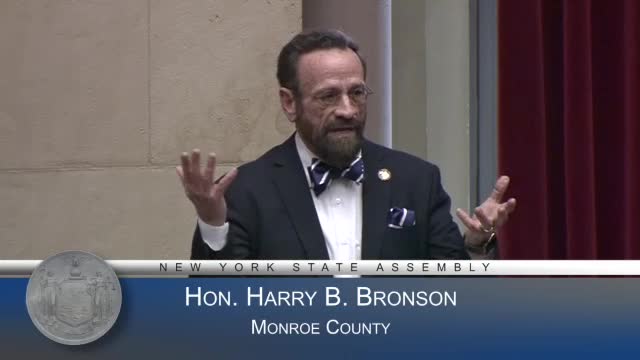
Questioners, including Assemblymember Walsh, pressed for data on how common such deeds remain and raised concerns about whether the bill could affect lawful religious or community practices that maintain particular lifestyles. Steck replied that religious practices are not prohibited but said a forever‑running restrictive covenant that burdens future alienation of land should be removed and that alternatives such as restricted gifts of cash exist for donors who want to designate property for a specific institutional use.
Supporters noted practical benefits of the change. Assemblymember Stack said litigation to remove covenants could cost “tens of thousands of dollars,” and closing‑time corrections would usually take “at best an hour of legal work.” Assemblymember Jacobson recalled encountering numerous offensive restrictive covenants in practice and said statutory clarification helps avoid future reversals in broader precedent.
The clerk announced the final vote as 102 ayes and 47 nays and declared the bill passed. The bill’s proponents said the measure makes it easier to remove outdated, discriminatory restrictions on property transfers without costly litigation; opponents argued courts should continue to adjudicate disputes case‑by‑case and warned against sweeping statutory intervention.