Get Full Government Meeting Transcripts, Videos, & Alerts Forever!
Get email alerts on the Moratorium Review topic
No spam. Unsubscribe anytime.
Legislature moves to require review of agency moratoriums after Buffalo River dispute; critics warn of revocation risk
Summary
Senators considered legislation requiring administrative moratoriums to be reviewed by the legislature and to expire after four years unless reapproved, a change supporters said restores legislative oversight while opponents warned could unintentionally revoke protections such as the Buffalo River moratorium.
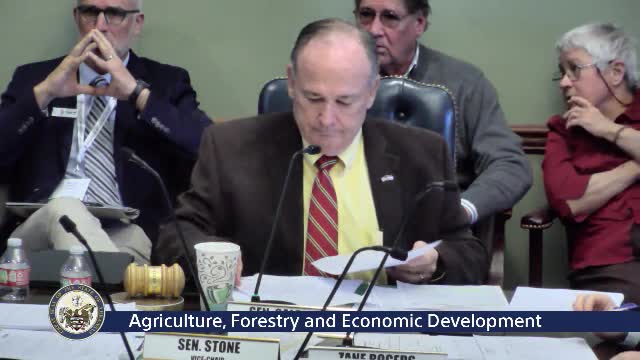
The committee considered Senate Bill 290, a bill that alters how administrative moratoriums are handled by state agencies. Sponsor Senator Blake Johnson said the bill creates a path for moratoriums to be reviewed by the Legislative Council (or joint budget by voice amendment in committee) and would set a four-year expiration for moratoriums unless the legislature approves continuance through the standard review process.
Proponents, including the Arkansas Cattlemen's Association, argued the bill protects private-property rights and ensures elected officials, not only agencies, review moratoriums that restrict land use. Mark Lambert of the Arkansas Farm Bureau told the committee the changes create oversight but do not remove the Lake Maumelle or Buffalo River moratoriums immediately.
Opponents, including multiple residents, business owners and environmental groups from the Buffalo River watershed, urged senators to preserve at least the Buffalo moratorium. Speakers described the Buffalo River as an economic engine for tourism and local jobs and cited water-quality and scientific studies they said show nutrient and pathogen risks associated with large concentrated animal feeding operations (CAFOs). Witnesses said protecting karst terrain and groundwater in the watershed is critical to preserve tourism and local livelihoods.
Attorney John Fletcher, who advises on environmental permitting, warned the committee the bill could unintentionally revoke the existing moratorium regulations in their entirety if the review process is not completed: “If you revoke an authorizing regulation, all permits under that regulation are also revoked,” he said, advising caution. Several speakers urged senators to leave the Buffalo and Lake Maumelle moratoriums in place.
After debate, the committee adopted the sponsor's amendments and reported the bill as amended. The committee carried the measure by voice vote in committee (ayes have it). Sponsors said the bill is intended to provide legislative oversight, not to terminate protections, but opponents warned procedural timelines could result in automatic expiration of protections if agencies do not or cannot submit the required materials within the bill's timelines.
Votes taken by voice were recorded as a committee approval of the amended bill.