Get Full Government Meeting Transcripts, Videos, & Alerts Forever!
Get email alerts on the Reproductive Policy topic
No spam. Unsubscribe anytime.
Committee advances bill banning race‑selection abortions if broader abortion prohibitions fall
Summary
Senate Bill 591 would criminalize abortions performed when the pregnancy is sought solely because of the fetus' race; the bill contains a trigger clause so it would take effect only if Arkansas' existing abortion restrictions are overturned.
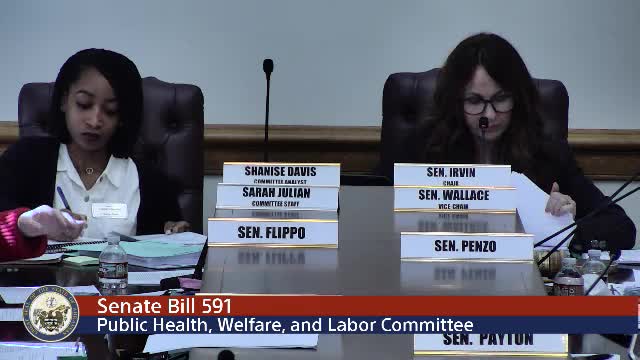
The Senate Public Health, Welfare and Labor Committee gave Senate Bill 591 a favorable recommendation after the sponsor described the measure as a targeted nondiscrimination prohibition conditioned on the status of other abortion laws.
Senator Copenzo (identified in committee as the sponsor) told the panel SB591 would create a new subchapter in the Arkansas Code prohibiting a physician or any individual from knowingly performing an abortion if the person sought it solely because of the race of the unborn child. The bill mirrors other state provisions that already bar sex-selection and Down syndrome–motivated abortions, the sponsor said.
"The act will only take effect if Arkansas's existing laws against abortion are stripped down or appealed. Section 2 in the bill is the trigger," the sponsor said during presentation. He said the bill includes criminal and civil penalties that apply to providers, classifying a knowing prohibited abortion as a class A misdemeanor. The sponsor also emphasized language protecting women from prosecution: "This bill ensures that women who receive or attempt to receive an abortion in violation of the subchapter will not be prosecuted or held liable. The penalties are for physicians who violate the law."
Committee members asked whether the penalties align with existing statute and why the bill was needed; the sponsor responded it is a contingency measure should other prohibitions be overturned. There were no public witnesses registered to testify for or against the bill at the time of the hearing.
After brief discussion the sponsor closed and moved the bill; the committee recorded an affirmative vote and the chair said the ayes had it. The panel recommended SB591 for passage.
What happens next: The bill will proceed to the next stage of legislative consideration. Because the measure contains a statutory trigger that depends on the status of other statutes, its operative effect would be conditional.
Sources: Committee hearing transcript, sponsor remarks, committee vote record.