Get Full Government Meeting Transcripts, Videos, & Alerts Forever!
Get email alerts on the Biotech Policy topic
No spam. Unsubscribe anytime.
Senate committee approves limits on genetic sequencers from adversarial nations
Summary
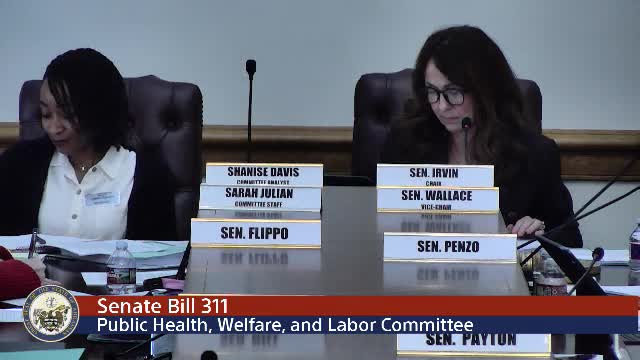
The Senate Public Health, Welfare and Labor Committee voted to give SB311 a favorable recommendation after adopting an amendment that clarified compliance timing and addressed hospital concerns about equipment replacement and costs.
The Senate Public Health, Welfare and Labor Committee voted to give Senate Bill 311 a favorable recommendation as amended, moving the measure forward after sponsors and agency staff said clarifying language resolved earlier concerns.
The bill, presented by Senator Penzo, would restrict use of certain genetic sequencers, related software that originate in specified adversarial countries, and storage of genetic sequence data in those jurisdictions. Supporters said the measure is intended to reduce the risk of sensitive U.S. genetic information being accessible to foreign adversaries.
Senator Penzo, the bill sponsor, told the committee the bill grew out of national security worries, including allegations about forced organ harvesting and unauthorized access to genetic data. "This limits genetic sequencers that originate in that country, the software from that country, and then also storing data in adversarial countries," Penzo said. He later described the amendment adopted in committee as having resolved concerns raised by UAMS about whether existing equipment would have to be removed.
Department of Human Services staff and other agencies were consulted during drafting and, the sponsor said, are now neutral after the amendment clarified the scope and implementation. The amendment makes compliance prospective — applying to new purchases or deployments rather than forcing removal of existing equipment — and adjusts language UAMS had flagged.
After brief questions from members about the bill's intent and possible operational impacts, a motion to pass the bill as amended was made and seconded. Committee members voted in favor; the chair declared SB311 "pass as amended." The transcript records adoption of the committee amendment and the favorable recommendation.
What happens next: The bill will be transmitted according to the legislature’s calendar for further consideration by the full Senate or transmittal as required.
Sources: Committee proceedings, sponsor remarks and agency conversation recorded on the bill's presentation and the subsequent vote.