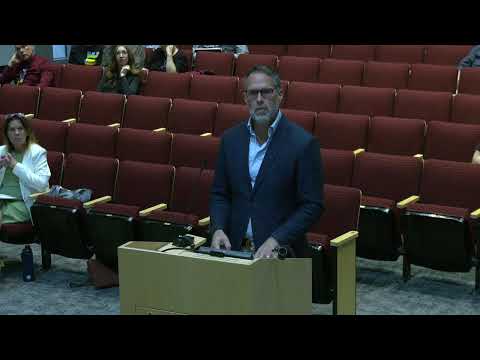
Prescott Valley council approves five-year license for MetroNet fiber build
Loading...
Summary
The Prescott Valley Town Council approved a five-year license allowing VEXUS Fiber LLC, doing business as MetroNet, to build a fiber‑to‑the‑premises network in town; council recorded a 5‑1 vote with one abstention.
The Prescott Valley Town Council on April 10 approved a five‑year license allowing VEXUS Fiber LLC, doing business as MetroNet, to construct, operate and maintain a fiber optic network in the town's rights of way. The motion passed by voice vote with a 5‑1 tally and one abstention.
The license authorizes MetroNet to build a fiber network designed to pass about 15,500 homes and represents a private investment MetroNet estimated at approximately $18.5 million. MetroNet representatives said the build will be conducted neighborhood‑by‑neighborhood over about 12 to 18 months, with an initial construction start and customer availability targeted for July or August of the year discussed.
Why it matters: Council approval allows MetroNet crews to begin permitting and onsite construction work in public rights of way and starts the town's process of accommodating a new internet service provider. MetroNet said it would be the internet service provider (ISP) after construction and will employ local technicians for installations and maintenance.
MetroNet representatives described technical and customer‑service features of the planned network. A company presenter said MetroNet is “the nation's largest independently owned fiber optic company” and that service tiers would range from about 150/150 Mbps up to multi‑gigabit symmetrical options for residential and business customers. MetroNet said enterprise and institutional customers could receive larger dedicated bandwidth packages.
Company staff described a multi‑step community notification plan and a ticketing process for construction issues. The field operations manager said residents can report damages or concerns through a ticket system; contractors aim to make repairs within seven days and generally resolve problems within 24 to 48 hours, with follow‑up calls from MetroNet management to confirm satisfaction.
The council and MetroNet also discussed permitting and construction methods. MetroNet said crews will work in public right of way and will bore under roads as needed. The company said most above‑ground cabinets will be flush‑mounted to reduce visual impact, and it expects to use a mix of its own crews and a limited number of subcontractor crews, all licensed per state requirements.
On the company's regulatory status, MetroNet's attorney, Joan Burke, told the council that a MetroNet subsidiary holds a certificate of convenience and necessity and that MetroNet has an application pending for a statewide certificate. Burke said the subsidiary operating the license has the authority to build while regulatory filings are in process.
The motion approved by the council referenced state statute language in the license paperwork. One council member announced an abstention before the vote, citing employment with another communications company; the abstention was recorded and the motion passed 5‑1.
What's next: With the license approved, MetroNet said it will begin community notifications, permitting and the first neighborhood construction sequence this summer. The company said it will continue coordinating required locates, permits and daily street sheets with town staff during construction.