Get Full Government Meeting Transcripts, Videos, & Alerts Forever!
Get email alerts on the Historic Civic Center topic
No spam. Unsubscribe anytime.
Corona council backs repairs, asks for more tenant input on Historic Civic Center arts plan
Summary
City staff presented an operations plan to reposition the Historic Civic Center (HCC) as the city’s arts campus, outlining repairs, programming and a $7.7 million cost estimate; council agreed to proceed with repairs but directed more detailed consultations with existing tenants and historic‑preservation stakeholders.
City staff presented a proposed operations plan for the Historic Civic Center (HCC) and asked the City Council for feedback on using the site as Corona’s Center for the Arts.
Donna Finch, community services director, told the council the HCC “is an incredibly valuable asset to the city,” and summarized an assessment that identified building and site needs including upgraded HVAC and sprinklers, roof work, improved theater audio‑visual systems and accessibility, and expansion or modernization of restrooms. Finch gave a high‑level cost estimate of about $7.705 million for building, site and theater repairs and another roughly $1.2 million for site work and $1.0 million for furniture, fixtures and equipment.
The plan would continue existing arts leases, expand programming, and phase improvements as funding becomes available. Finch said staff expects to seek grants including the National Park Service Historic Preservation Fund and the California Cultural and Historical Endowment, and estimated an operating budget that would require an ongoing city subsidy of roughly $210,000 annually once programming is built up.
Tenants and arts organizations at the HCC urged caution and asked for early, specific commitments on space and operating arrangements. Amanda Calacanis, executive director of OBC Theater, said she supports the repairs but objected that tenants were not included earlier in planning: “It was super disappointing to not be included in the conversation and to see it go before [the Parks & Recreation Commission] without ever asking.” Becky Floyd, secretary‑treasurer of the Corona Art Association, warned that nonprofit tenants could face “serious unintended negative consequences” if they lose autonomy or are forced into city contract‑class models.
Members of the Corona Historic Preservation Society urged adherence to the Secretary of the Interior’s standards for rehabilitation and noted that preservation stakeholders were not consulted in earlier studies. The society’s representative, Rich Wynne, said CHPS had historically been consulted on campus changes and asked that the organization remain engaged as a steward of architectural and historic elements.
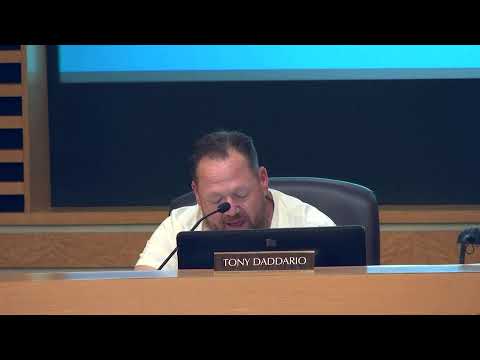
Council members generally supported moving forward with maintenance and repair work but called for more detailed work on site planning and programming before changes to leases or to the building footprint are made. Councilmember Tony (surname on record) said tenants “wouldn’t have been here unless I called them,” and urged staff to pause on major changes until tenant needs were fully addressed. Mayor Jim Steiner and City Manager Justin Tucker confirmed staff will continue consultation and will return with more detailed proposals. City Manager Tucker and staff repeatedly stressed that any physical work would comply with historic‑preservation rules and standards.
The council did not adopt a formal ordinance or appropriate capital funding at the meeting, but directed staff to proceed with the maintenance and repair planning that does not require capital investments or changes to leases, and to return with refined scopes, cost estimates and a phased implementation plan after further meetings with tenants and CHPS.