Get Full Government Meeting Transcripts, Videos, & Alerts Forever!
Get email alerts on the Municipal Budget topic
No spam. Unsubscribe anytime.
Greenville City Manager Presents FY26 Draft Budget Emphasizing Public Safety, Housing and Transit
Summary
City Manager presented a draft FY26 budget that holds the millage steady, prioritizes public safety staffing and equipment, maintains transit service levels, and allocates millions to affordable housing; council set timeline for first reading on May 12 and adoption on May 19.
Greenville City Manager Shannon presented the city’s draft fiscal year 2026 budget at a council workshop, saying the plan focuses on public safety, employee support and maintaining the city’s financial stability. The council will receive the draft for first reading at its May 12 formal meeting and could adopt the FY26 budget on May 19 if the schedule holds.
Shannon told the council, "the data is what the data is," and cited a 10‑year low in crime rates as part of the rationale for proposing continued investment in police and fire services. The draft holds the millage rate flat at 81.4 mills and proposes targeted personnel and equipment funding for emergency services, transport projects, recreation and housing initiatives.
The nut graf: The draft budget projects FY26 revenues of $146.4 million and expenditures of $150.4 million, producing a planned use of fund balance near $4.0 million. City leaders said the FY26 proposal reduces reliance on fund balance compared with recent years, keeps an ordinance‑mandated 20% reserve intact, and directs dollars to prioritized areas while preserving flexibility in case of economic stress.
Most important facts first: public safety and staffing. The draft allocates the largest shares of general‑fund operating dollars to police (27%) and fire (15%). It proposes adding two traffic officers, a warrant officer and an additional member for the neighborhood engagement team; implementing a permanent night‑shift differential; purchasing body cameras and upgraded protective equipment; restoring fire positions cut during COVID; adding a recruit training officer; and completing radio upgrades. The city manager said design for a new Stone Avenue fire station is complete and construction plans will appear later on the council agenda.
Transportation and mobility proposals include continued funding to maintain Greenlink transit service with Saturday hours and 30‑minute frequency on four routes, and a near $2.0 million city contribution to the Church Street bridge/viaduct aesthetics and safety project. Shannon said the budget also funds traffic‑calming initiatives and investments in intelligent transportation systems to prioritize emergency and transit vehicles.
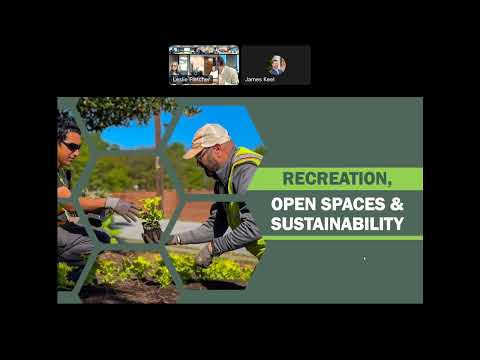
Recreation and open‑space projects highlighted in the draft include design work and public engagement for a proposed skate park, a study for a Swamp Rabbit Trail extension to North Main, and pilot ticketless payments for Freeville Jazz Fest. The hospitality/local accommodations funds are budgeted for trails, greenways, and park amenities such as restroom improvements tied to the Greenville Zoo plan.
Affordable housing and homelessness: the draft continues an annual $2.5 million contribution to the Greenville Housing Fund, directs $500,000 toward homelessness response via community partners, and uses a combination of direct funding, land purchases and infrastructure investments. City staff stated total FY26 housing‑related spending could be “close to, or possibly more than” $10 million when all programs and investments are counted.
Economic development: the recently formed Greenville City Economic Development Corporation (GC EDC) would receive additional staffing funds and a pilot micro‑grant program. Council members asked whether micro‑grants would prioritize minority‑ and women‑owned businesses; staff said community development funds and matching rules will prioritize those groups for certain grants while the GC EDC pilot would target gap‑stage small businesses.
Fiscal position and reserves: Finance staff projected ending FY25 general fund balance near $36.6 million and an estimated FY26 ending balance of $32.6 million. The city retains a 20% reserve (cited in council discussion as an ordinance requirement) — roughly $28.9 million in the projection — and an excess fund‑balance cushion of about $3.6 million. The presentation noted the city has reduced planned use of fund balance from $9.9 million (FY23 proposed) to about $4.0 million in FY26.
Capital funding: staff said more than 70% of proposed general‑fund capital is expected to be funded outside the general fund through interest earnings and reallocation of project balances; the capital project reserve currently stands north of $12 million, with $3.2 million proposed for deployment in FY26. The presentation noted bridge repairs from Hurricane Helene and potential FEMA reimbursements that are not guaranteed.
Funds and enterprise highlights: the hospitality tax (tourism) fund projects an FY26 ending balance around $2.7 million with a planned usage of about $1.9 million; the local accommodations tax fund projects roughly $7.6 million in revenues and a $3.9 million ending balance; the state accommodations tax fund projects revenues of about $5.0 million and a projected FY26 ending balance near $600,000. Enterprise fund projections mentioned parking ($3.9 million ending balance), stormwater ($3.3 million) wastewater ($1.7 million) and zoo ($1.5 million) pre‑reserve amounts.
Council questions and staff responses: members asked for more detail about the micro‑grant matching rules, use of the capital project reserve, consistency of enterprise fund reserves, and what contingency or “stress test” assumptions the city had made. Shannon and finance staff said the FY26 budget was intentionally conservative, built with limited expectation of state or federal aid, and structured so some new positions are funded for only part of the year to preserve flexibility.
Administrative steps and timeline: Shannon said the council will have a second detailed budget workshop in two weeks and that the draft will be presented for first reading and public hearing on May 12, with a planned adoption on May 19; staff noted the timeline preserves June for adjustments if needed before the June 30 fiscal‑year deadline.
Ending: After about 50 minutes of presentation and council discussion, the council moved to enter executive session to discuss prospective contracts and personnel matters. No budget votes were taken at the workshop; formal actions on the budget will occur at upcoming public meetings as described by staff.