Get Full Government Meeting Transcripts, Videos, & Alerts Forever!
Get email alerts on the Brownfields Assessment topic
No spam. Unsubscribe anytime.
RDA updates brownfields assessment pipeline; about $500,000 available for phase 1/2 work
Summary
Staff reported on an EPA brownfields assessment grant that can fund phase 1 and phase 2 environmental work and concept planning; several city‑area parcels are under review including a former brewery building, a dry‑cleaner site and an unregistered landfill parcel on Mullen Avenue.
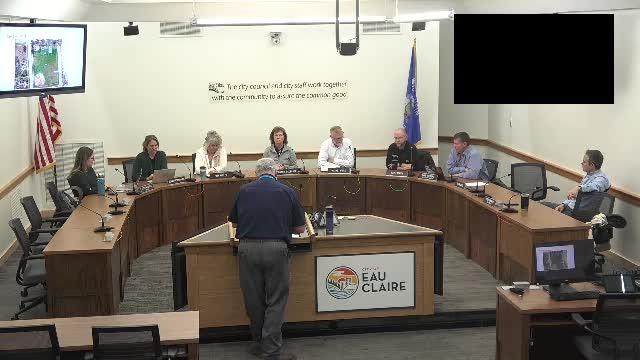
Eau Claire City Redevelopment Authority staff updated the board on the city’s EPA brownfields assessment grant and ongoing site evaluations at the RDA meeting on March 31.
Staff said roughly half a million dollars is available under the grant for phase‑1 and phase‑2 environmental assessments and that the grant can also support high‑level concept planning for redevelopment. The RDA’s consultant, Ayers, is executing the work and staff encouraged property owners with uncertain site conditions to engage so assessment and planning can begin.
Projects in the pipeline include Bill Walters Brewery building north of Madison Street (staff said the owner initially believed the city owned the property), a former dry‑cleaner adjacent to a daycare, and a city‑owned Mullen Avenue parcel identified as an unregistered landfill. Staff said the Mullen Avenue site has developer interest but requires formal EPA process steps to delineate materials and mitigation needs.
Staff also identified a potential target in the Graham Avenue parking deck and an abandoned dry‑cleaner parcel behind Sojourn House on Seaver and Graham avenues. The presentation noted some initially proposed targets are still being evaluated and that certain projects could later pursue additional EPA or state cleanup funding if phase‑2 work indicates contamination needing remediation.
The board did not take formal action on individual sites during the update; staff said they continue outreach to property owners and will return as projects materialize. The grant’s phase‑1 work is intended to review property history and any indications of contamination; phase‑2 work would include soil borings and testing if warranted.