Get Full Government Meeting Transcripts, Videos, & Alerts Forever!
Get email alerts on the Housing And Public Safety topic
No spam. Unsubscribe anytime.
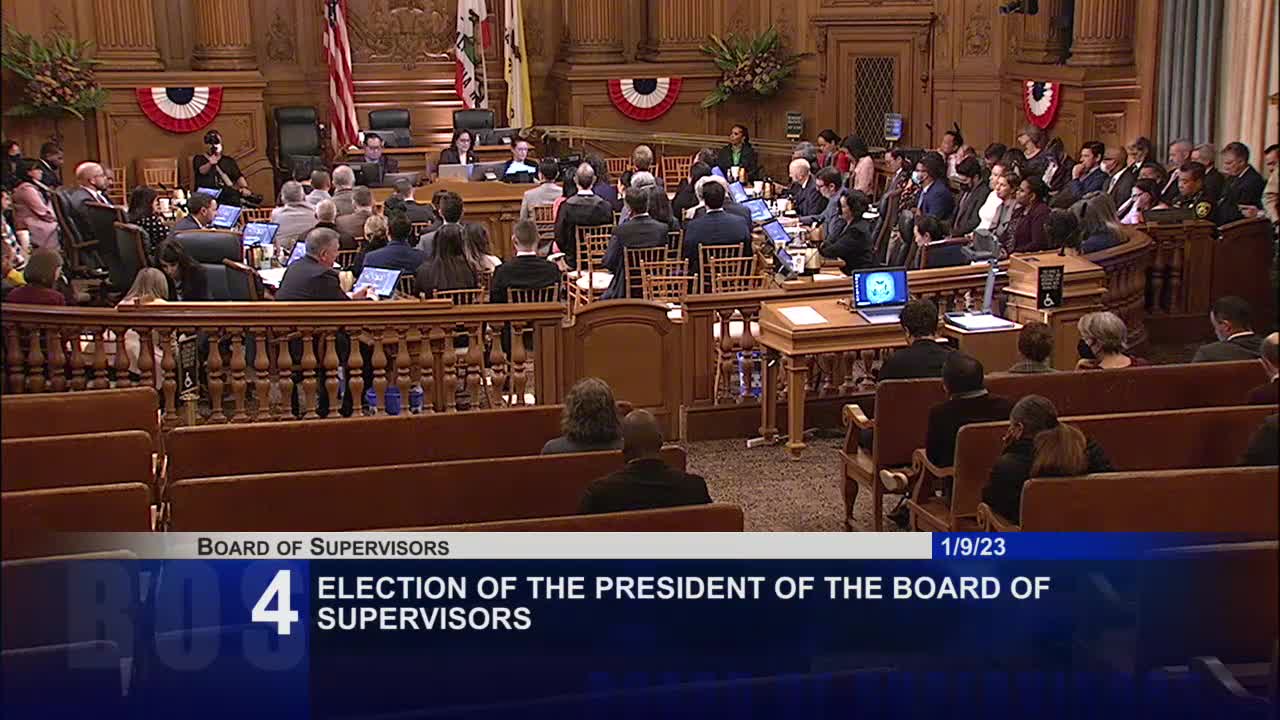
Mayor, supervisors emphasize housing, overdose deaths and budget deficit at inaugural meeting
Summary
At the Jan. 9 inaugural meeting, Mayor London Breed and multiple supervisors highlighted housing production, overdose deaths, open-air drug markets and a looming budget shortfall as top priorities for the term.
City officials used the San Francisco Board of Supervisors’ Jan. 9 inaugural meeting to outline priorities for the coming term, with housing production, a rising number of overdose deaths and an expected budget shortfall featuring prominently in remarks from the mayor and multiple supervisors.
Mayor London Breed told the board the coming year "feels hopeful" but warned the city faces hard choices. She said San Francisco is expected to plan for more than 80,000 housing units over the next eight years and stressed that passing the housing element is only the first step: "doing the work that requires changes to policies to make sure that we build housing aggressively in San Francisco is going to be critical," she said.
Breed also highlighted the city’s overdose crisis: "We’ve seen more people die from overdose deaths in San Francisco than we’ve seen people who lost their lives to COVID," she said, and urged the board to make "hard decisions" about addiction services and neighborhood safety, particularly in areas where open-air drug dealing is concentrated.
Several newly elected and reelected supervisors used their remarks to amplify those themes. Supervisor Matt Dorsey, who described himself during his remarks as "a recovering addict and alcoholic," said overdose deaths and visible drug activity were central public-safety concerns in his district and across the city. He urged urgent action and called for treatment‑on‑demand and recovery services.
Supervisor Rafael Mandelman said the city must redouble efforts to provide treatment and build more housing while also protecting neighborhoods, and Supervisor Joel Engardio framed early priorities as public safety and education, saying that the coming budget process will be critical. Multiple supervisors singled out the budget shortfall—the mayor referenced a $728 million deficit—and described fiscal responsibility and program performance review as necessary steps.
Speakers stressed a mix of approaches: building housing, expanding treatment and recovery services, and addressing public-safety concerns. Several supervisors and the mayor urged partnership between the legislative and executive branches on negotiations and policy details.
Those remarks set the policy agenda the board is expected to confront in the months ahead: adoption of the housing element and implementing policy changes to accelerate production; proposals to expand the city’s capacity to house and treat people with substance-use disorder; and a series of budget discussions to close the projected deficit.