Get Full Government Meeting Transcripts, Videos, & Alerts Forever!
Get email alerts on the City Budget topic
No spam. Unsubscribe anytime.
Board approves $13 billion budget focused on housing and services; 10-1 vote amid warnings about reserve reliance
Summary
The San Francisco Board of Supervisors approved the city’s fiscal 2020–21 budget package on Sept. 22, 2020, in a 10–1 vote that restored many proposed cuts, expanded housing and tenant protections, and directed targeted funding to vulnerable communities while relying on uncertain ballot and reimbursement revenues.
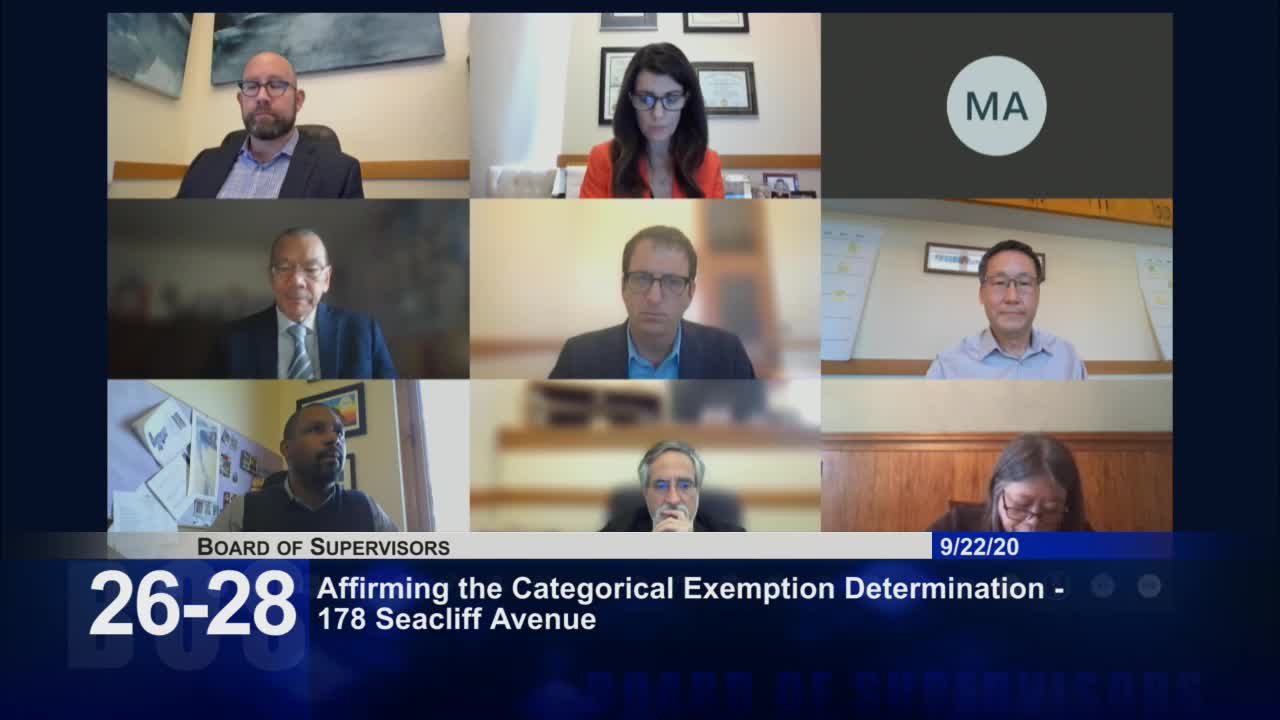
The San Francisco Board of Supervisors adopted the city’s fiscal 2020–21 budget package on Sept. 22, 2020, voting 10–1 to approve the budget and related ordinances on first reading. Supervisor Stephanie cast the lone no vote, saying the plan drew down reserves and depended on revenue assumptions that may not materialize.
The budget totals more than $13 billion and includes a mix of restorations and new spending after initial cuts proposed amid the COVID‑19 pandemic. Key provisions captured in the package include expansions of housing subsidies for seniors and homeless families; a Right to Counsel program to provide legal representation for tenants facing eviction; investments in community hubs and culturally competent COVID response; and a multi‑year commitment of roughly $120 million to programs identified by Black community leaders. The package also reduces the police budget relative to earlier proposals, a change several supervisors described as historic for the city.
Why it matters: Supervisors framed the budget as an attempt to preserve frontline services and vulnerable residents’ safety nets while the city faces a pandemic‑related revenue shortfall. Several supervisors praised the budget committee for an unusually collaborative, lengthy process. Opponents and cautious colleagues warned that the budget rests in part on expected revenues tied to a November ballot measure (referred to in committee as “Prop F”); if that revenue is not realized, the city will need to revisit the spending plan.
Most important facts - Approval: The board approved the budget package (items 29–52) on first reading by a 10–1 roll‑call vote; Supervisor Stephanie voted no. (Roll call recorded Sept. 22.) - Scale and priorities: The package totals roughly $13 billion and directs funds to housing subsidies, food security, emergency nonprofit relief, culturally competent COVID‑19 responses, expanded mental‑health crisis teams and the Right to Counsel tenant program. - Assumptions and risk: The budget incorporates an assumption of additional revenue tied to a November tax proposal. Speakers on the record said that figure equated to a multi‑hundred‑million‑dollar assumption; board members and the controller described the risk if that revenue does not materialize and said further adjustments could be necessary.
What board members said - Supervisor Ronan, a budget committee member: “There was not one layoff.” He and other supporters emphasized the committee’s work to avoid layoffs and to preserve services for essential workers and vulnerable residents. - Supervisor Stephanie, the sole no vote: She said the budget “drains down our reserves and fails to provide enough support to those who need it most,” adding that the plan depends on state and federal reimbursements and an unpassed tax measure. - Chair (Budget Committee) Feuer (referred to in committee as Chair Feuer) described the package as a product of compromise that restores many proposed cuts and funds new initiatives to address racial and economic inequities.
Budget changes and amendments Committee and board amendments adopted before the final vote included technical corrections and targeted reserve actions (for example, an addition of two fiscal‑year reserves of $840,000 each to support procurement of refuse receptacles placed on full‑board reserve). Several supervisors also said they had negotiated district‑level allocations and program clarifications during the deliberations.
Next steps and contingencies - Final adoption: The board conducted first‑reading approval on Sept. 22. Additional procedural steps remain before the budget is final. - Contingency: Supervisors and the controller warned the package could be revisited if assumed ballot revenues or state reimbursements do not materialize. Board members recorded that the most immediate risk, if the assumed ballot revenue failed, would be fiscal adjustments in future months rather than immediate layoffs.
Speakers (attributed in this article) - Supervisor Feuer — Budget Committee chair; government - Supervisor Ronan — Budget Committee member; government - Supervisor Stephanie — Board member (opposed); government - Supervisor Peskin — Board member; government - Supervisor Walton — Board member; government - Supervisor Preston — Board member; government
Clarifying details - “Prop F” revenue assumption used in the budget was described in debate as a material revenue assumption (various committee speakers referenced up to $300 million in additional revenue as an assumption; board members subsequently noted a figure closer to $150 million as a contingent gap if certain items are not realized). The fiscal impact depends on timing and composition of those revenues and on state/federal assistance.