Get Full Government Meeting Transcripts, Videos, & Alerts Forever!
Get email alerts on the Recovery Bond topic
No spam. Unsubscribe anytime.
Mayor Breed asks San Francisco supervisors to start work on recovery bond centered on mental health, parks and basic infrastructure
Summary
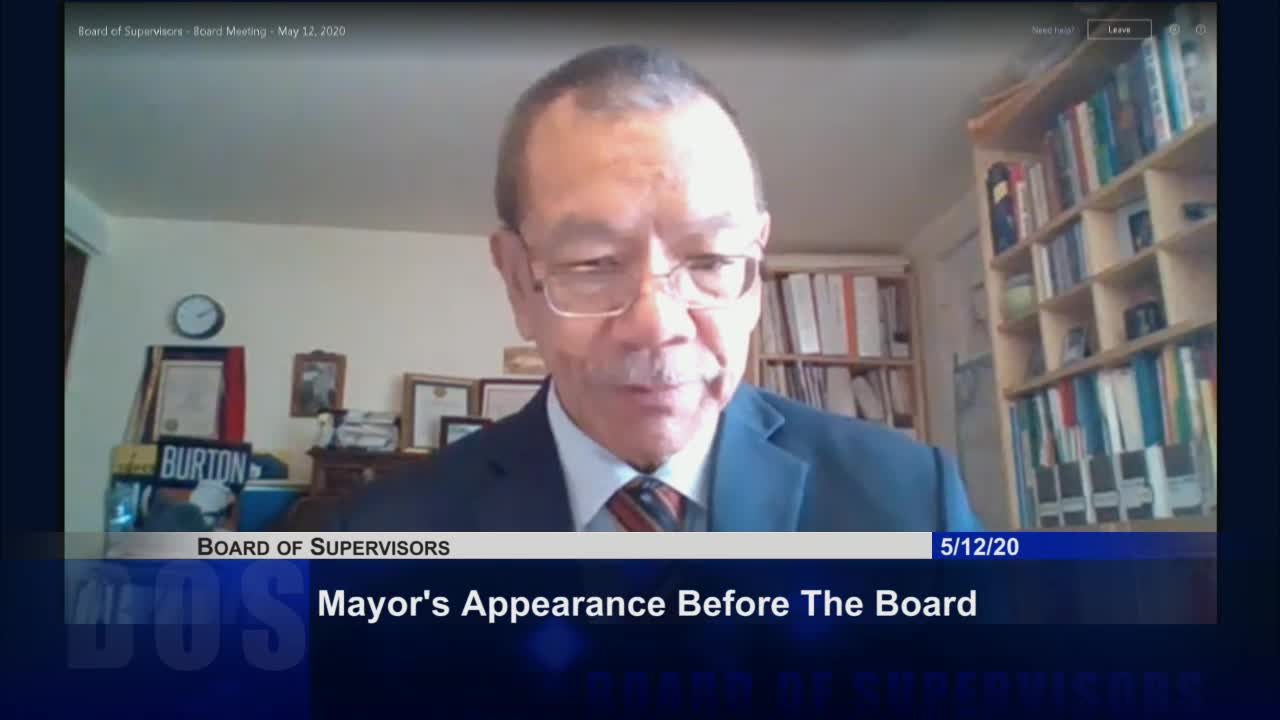
Mayor London Breed asked the Board of Supervisors on May 12 to begin work on a November recovery bond that would finance mental-health facilities, jobs-building park projects in disinvested neighborhoods and basic street and accessibility repairs.
Mayor London Breed told the San Francisco Board of Supervisors on May 12 that she is introducing legislation to begin work on a recovery bond measure for the November ballot that would prioritize mental-health facilities, neighborhood parks and basic infrastructure repairs.
The mayor said the proposal would fund “building, purchasing, and the mental health facilities that our city and our most vulnerable so desperately need,” and carve out capacity for parks projects and capital items such as repaving, bike lanes and curb ramps that she described as “not flashy, but they keep our city working.”
Breed framed the bond as a response both to long‑running problems — behavioral health, homelessness and capital needs — and an immediate pandemic-driven economic contraction. “We have a month to roll up our sleeves, speak with our constituents, and weigh the competing priorities of our city,” she said, adding that she wants supervisors’ feedback as staff drafts details.
The mayor said the bond would prioritize park projects in neighborhoods that have experienced “decades of disinvestment,” arguing those sites could both serve communities of color and create near-term construction jobs. She also said the bond “carved out some bond capacity for basic infrastructure” including repaving and accessibility work.
Several supervisors and the board president thanked the mayor and said they expected further discussion. President Yee said the board and the mayor were working toward “a more coequal collaboration” on emergency policy and communications.
What happens next: Breed said she will circulate a draft and invited supervisors to propose additions and changes over the coming weeks. She described the measure as one of several “hard choices” the city will face entering a recession, and said the city has “soaked up all the extra debt capacity” from earlier bond plans, so choices must be prioritized.
Why it matters: The proposal links traditional capital spending to behavioral‑health investments — signaling the mayor’s intention to use general‑obligation borrowing to pay for both services and short‑term job creation in a budget environment the administration says will be strained by pandemic-related revenue losses.
Board reaction: Supervisors said they appreciated the mayor’s outreach and asked for more time and details. Several supervisors told the board they wanted stronger emphasis on mental‑health capacity; Breed responded she was listening and expected the bond to change as supervisors and community advocates weigh in.
The mayor’s office and board staff did not finalize a text at the hearing; supervisors and the mayor said they planned a month of outreach and drafting before finalizing a ballot measure for the November election.
Ending note: Breed said the recovery bond “is going to be our first effort of what will be several hard choices in a very, very tough economy,” and asked colleagues to continue providing input as staff composes the measure.