Get Full Government Meeting Transcripts, Videos, & Alerts Forever!
Get email alerts on the Homelessness Hotel Rooms topic
No spam. Unsubscribe anytime.
Supervisors urge city to secure 8,250 hotel rooms to shelter people experiencing homelessness, quarantine patients and frontline workers
Summary
Supervisors introduced an emergency ordinance directing the city to procure 8,250 private hotel rooms by April 26 to provide quarantine, recovery and isolation units for people experiencing homelessness, frontline workers, and people released from hospitals during the COVID‑19 emergency.
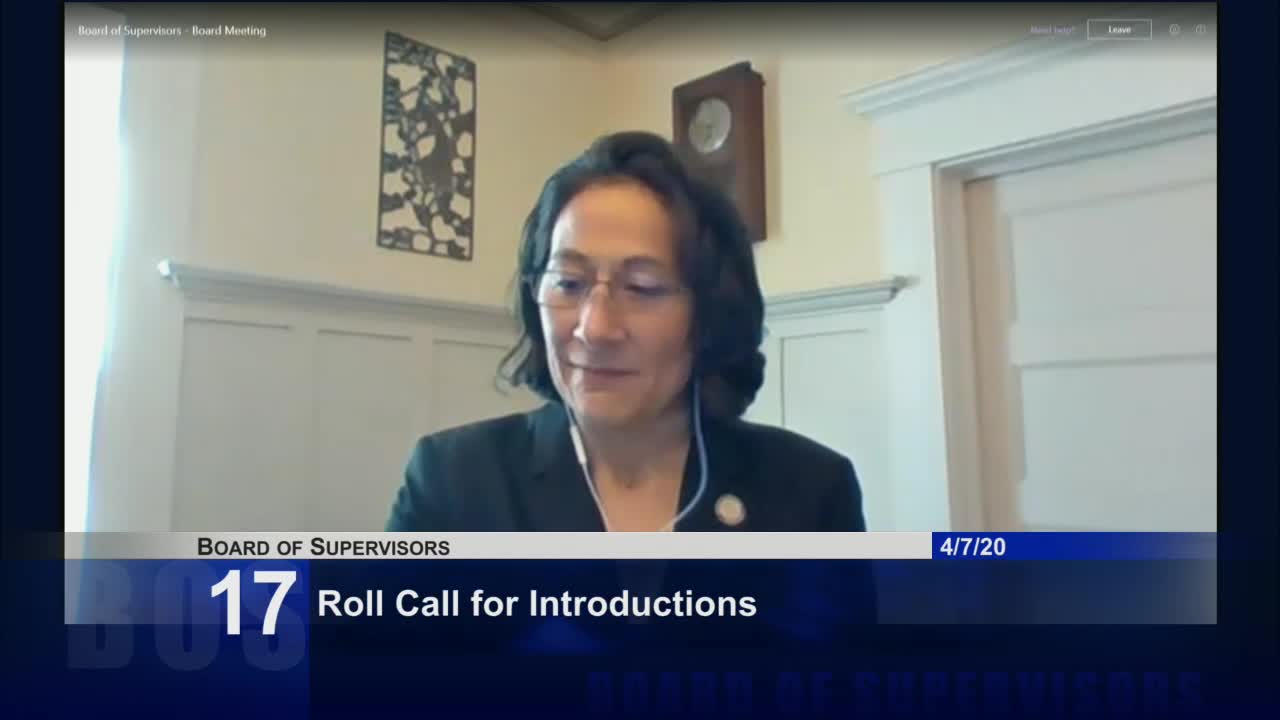
At a virtual meeting April 7, 2020, members of the San Francisco Board of Supervisors introduced an emergency ordinance that would require the city to procure at least 8,250 private hotel rooms by April 26 to serve as quarantine and recovery units for people experiencing homelessness, frontline workers and people discharged from hospitals with COVID‑19 exposure or infection.
Supervisor Catherine Ronan, who led the presentation, said the city was “waiting for homeless individuals to become infected first before placing them in private hotel rooms” and argued that delay endangered lives. “Every hour that we delay in getting people self‑safely sheltered inside puts more homeless people's lives at risk and endangers our collective public health,” Ronan said.
The ordinance, introduced by Ronan with co‑sponsors including Supervisors Haney, Preston, Walton, Marr and Peskin, would set aside rooms for three categories: recovery units for people who do not require hospitalization, quarantine units for first responders and frontline health workers, and private units for people currently living in shelters, SROs or on the street. Supervisor Haney described outreach conducted by supervisors in the field and played a short video of interviews with people living outdoors; she said the interviews showed many would accept hotel rooms and could manage basic self‑care once indoors.
Supporters said more than 30,000 vacant hotel rooms exist in San Francisco and that nonprofit homeless service providers signaled readiness to staff rooms immediately. Supervisor Ronan and others criticized city officials for what they characterized as reluctance to move people indoors without confirmed infection, saying a proactive approach would better protect public health and avoid overwhelming hospitals.
Madam Clerk and staff described the logistics connection to the Emergency Operations Center and planning coordination among the Department of Public Health and the Department of Emergency Management. Several supervisors asked for data reporting and transparency about the number of rooms secured, expenditures, and private fundraising for these efforts.
Public commenters and advocates urged quick action: Curtis Bradford, chair of the Tenderloin People's Congress, called the situation “a health disaster” and said it “should have been done weeks ago.” Other callers representing janitors and service workers asked the board to ensure hotel procurement also include staffing, wages and protections for workers who would support those units.
No final vote on the hotel procurement ordinance was recorded during the meeting; supervisors primarily introduced the emergency ordinance, added cosponsors and discussed next steps and coordination with the mayor’s office and city departments. Several supervisors said they would continue to work with the mayor’s administration and community groups to implement the plan quickly.
The discussion on hotel rooms came amid broader board debate about shelter‑in‑place compliance, data tracking, and coordination with county and state resources. The board heard multiple related announcements during roll call and public comment and scheduled follow up work with the Department of Emergency Management and the Department of Public Health.
Ending: Supporters said the rooms would allow unhoused people to shelter appropriately and reduce transmission risk citywide; opponents or city officials were not recorded as offering formal votes to reject the ordinance during the session. The mayor’s office and departments were asked to provide regular updates, including data on rooms secured and use of funds, as implementation moves forward.