Get Full Government Meeting Transcripts, Videos, & Alerts Forever!
Get email alerts on the Public Safety Guns topic
No spam. Unsubscribe anytime.
San Francisco board approves first‑reading ordinance requiring gun dealers to videotape sales and transmit ammunition records to police
Summary
The Board of Supervisors passed on first reading an ordinance requiring firearms dealers to install and maintain video surveillance of sales and to transmit ammunition sales records to the San Francisco Police Department (SFPD); sponsor Supervisor Mark Farrell said the measures aim to help deter illegal purchases and aid investigations.
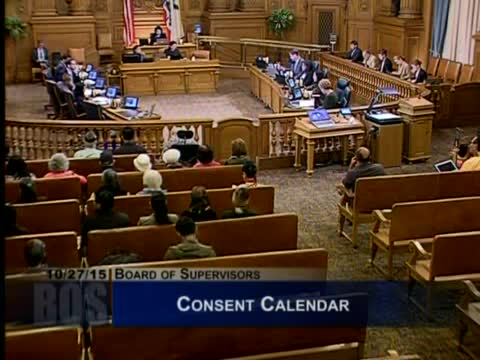
The San Francisco Board of Supervisors on Oct. 27 passed on first reading an ordinance that would require firearms dealers in the city to install and operate video surveillance covering sales and storage areas and to transmit records of ammunition sales to the San Francisco Police Department.
Supervisor Mark Farrell, who introduced the ordinance, said the measures are intended to give local law enforcement tools to track sales that could be linked to shootings and to deter prohibited purchasers. "If the last remaining gun store in San Francisco wants to shut down because of my legislation, I'm all for it," Farrell said during remarks introducing the ordinance.
The ordinance would require dealers to record "all places where firearms or ammunition are stored, handled, sold, transferred, or carried," and would require weekly electronic transmission of ammunition sales data and transfers to the SFPD, Farrell said. According to his remarks, recorded video would only be accessible to police after a search warrant is served.
Farrell told the board that federal enforcement and inspection capacity is limited and said local measures are needed to fill that gap. He referenced national reporting indicating limited ATF inspections of licensed dealers, and argued that having videotaped records and local ammunition-sale data will aid investigations and help detect illegal trafficking and theft from dealers.
The ordinance drew no recorded objections and passed unanimously on first reading "same house, same call," the board chair announced. The ordinance will return for subsequent readings and any required rulemaking or implementation details.
Implementation specifics — including any timelines for compliance, technical standards for surveillance systems, data retention periods, and data‑security requirements — were not specified during the floor discussion. The sponsor and city staff will be the next points of contact for those details as the ordinance moves through the legislative process.