Get Full Government Meeting Transcripts, Videos, & Alerts Forever!
Get email alerts on the Infrastructure And Telecom topic
No spam. Unsubscribe anytime.
Staff outlines data‑center zoning considerations, distinguishes crypto mining from colocation uses
Summary
City planners summarized data‑center types, key impacts (electricity, water, noise, security) and proposed zoning text amendments to define and regulate data centers and micro data centers; staff said draft ordinance language will follow and that Stark County is also examining similar changes.
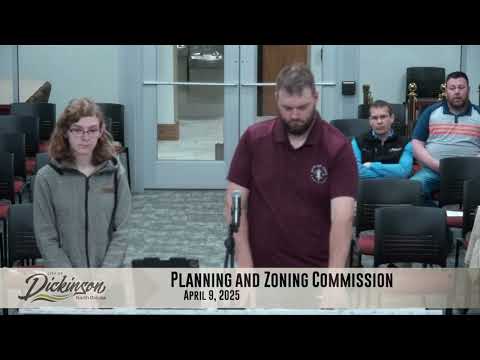
City County Planner Steve Josephson and staff presented an informational overview of data centers at the Planning and Zoning Commission’s April 9 work session and said staff will draft zoning text amendments to define and regulate data centers and smaller "micro" facilities.
Josephson told commissioners that data centers are physical facilities housing networked computer systems, servers and supporting equipment such as batteries, backup generators and cooling systems. He said data centers can be single‑story structures that resemble office buildings or smaller ‘‘micro’’ facilities that may be installed near users, including on utility poles or in parking garages. Josephson distinguished data centers from cryptocurrency mining operations, noting the latter can have higher continuous power and cooling needs and often produce more continuous noise from outdoor cooling equipment.
Staff identified the principal impacts and regulatory considerations: high electricity and, in some cases, water demand; cooling systems that can generate continuous noise; elevated security and screening needs; and relatively low employment density. Josephson said communities are addressing these impacts by adding definitions for data centers and micro data centers, designating where such uses are allowed (for example as special uses in general commercial or general industrial districts), and adopting development standards that can include acoustic studies, screening of equipment, decommissioning requirements and plans for cessation of operations.
Staff said the proposed zoning text amendments to be drafted for the commission would add definitions, specify application requirements and development standards for data centers, and address abandonment or decommissioning. Josephson said staff reviewed ordinances from other jurisdictions, including a South Dakota example, and noted Stark County is also preparing zoning language; staff expects to present draft language to the commission for review this spring or early summer.
Next steps Staff will prepare draft ordinance language and bring it to the Planning and Zoning Commission for workshop review and a possible public hearing; Stark County is preparing complementary language that may come to the commission before summer.