Get Full Government Meeting Transcripts, Videos, & Alerts Forever!
Get email alerts on the Police Discipline topic
No spam. Unsubscribe anytime.
Milwaukee FPC says city failed to prove misconduct; Sergeant Kenton Burch reinstated
Summary
After a multi-day Fire and Police Commission hearing, commissioners found the city did not meet its burden on time-card and reporting charges against Sergeant Kenton Burch and ordered his reinstatement to sergeant and repayment of suspensions.
The Milwaukee Fire and Police Commission on Jan. 30, 2024, ruled that the City of Milwaukee did not prove by a preponderance of the evidence that Sergeant Kenton Burch committed the three administrative violations cited by the chief and reinstated him to the rank of sergeant, ordering repayment of related suspension pay.
The commission’s decision follows a multi-day disciplinary hearing on personnel order MPD-2024-39, during which Internal Affairs interviews, paper time cards and electronic payroll records were presented and witnesses on both sides testified. Commissioners said the city’s internal investigation and the evidence offered did not meet the legal threshold required to sustain the charges filed by the chief.
The ruling matters because it reverses the chief’s demotion and suspensions and highlights procedural and record-keeping problems the commission flagged in the Milwaukee Police Department’s handling of overtime and roll-call entries. Commissioners said they were troubled by inconsistent timecard practices, evidence of clerks making changes to paper cards and gaps in the investigative record that made it impossible to sustain the charges the city brought.
The city charged Burch with (1) failing to attend roll call before the start of his normal eight-hour workday, (2) inaccurately recording roll-call overtime and (3) failing to be forthright and candid in an administrative report; the chief had imposed suspensions and a demotion. Evidence introduced at the hearing included paper “timecard” sheets, online payroll (CityTime) records, parking-access logs, a summary report prepared by Internal Affairs Sergeant Raymond Hewitt and multiple witness interviews and live testimony. Hewitt testified about alleged inaccuracies he identified; defense witnesses, including several former or current MPD supervisors and a character witness from homicide, testified to Burch’s long service, medical issues and the operational practices in his unit.
Witnesses described complex local practices: some supervisors and clerks entered or adjusted times on paper and in the electronic system, roll-call time was often handled differently among divisions, and supervisors sometimes allowed or directed flexible start arrangements for specific personnel. Burch and several witnesses described his medical conditions and said Captain Roberta Klein had allowed him to work from home at times during a transition back to a day shift. Burch acknowledged errors in timekeeping, testified he began additional daily checks once the investigation started and said he did not intend to gain financially from the entries. The Internal Affairs summary described 29–36 alleged inaccurate entries in various places; witnesses disagreed about which entries were authored by Burch versus clerks, and commissioners said that inconsistency undercut the city’s case.
Commissioners found significant procedural gaps in the internal-affairs file that limited the probe’s reliability. They noted that interviews relied on in the IAD summary did not always appear as separate, contemporaneous narrative interview reports in the investigative file, and that extension-of-investigation memos required by policy were not available in the file produced to the commission or to the respondent. Commissioners also cited inconsistent payroll practices — rounding rules, clerks editing paper cards, and differing local practices about roll calls — that made it difficult to determine whether particular entries represented intentional misconduct or bookkeeping errors and which entries were created or altered by members versus clerks.
In its written announcement in the hearing room, the commission found that the city had failed to prove each charge by a preponderance of the evidence, ordered that any suspensions tied to those counts be repaid and directed that Burch be reinstated to his sergeant rank. Commissioners said they would issue written findings of fact and conclusions of law to explain their vote in full and urged the department address the payroll and supervisory practices the hearing exposed.
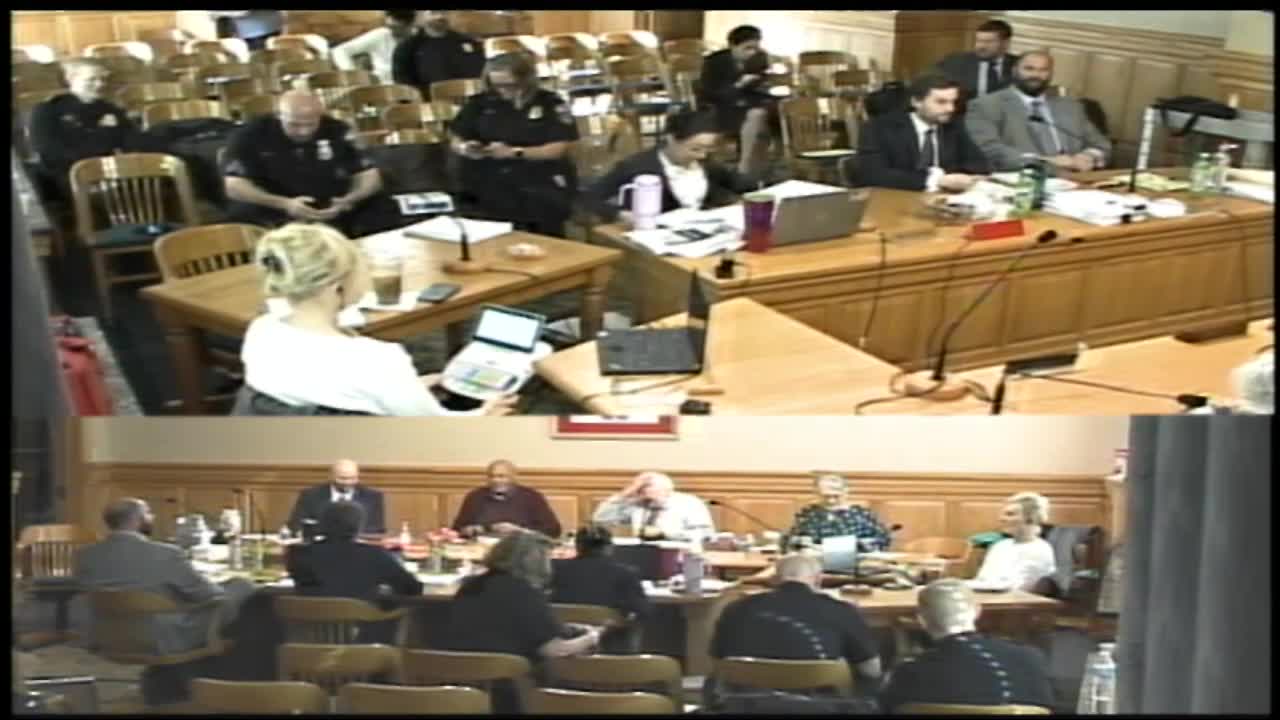
The hearing included testimony from numerous MPD personnel and attorneys. The commission’s membership for this matter included Miriam Horowitz (chair), Christopher Snyder and Jeffrey Spence. Assistant City Attorney Cynthia Harris Ortega represented the city; defense counsel included Tom Suchovich and Bridal Matthews. Witnesses called by the city and defense included Internal Affairs Sergeant Raymond Hewitt and MPD supervisors and detectives such as Lieutenant Joel Sussler, Lieutenant Nicole Reeves and Detective Mark Harms. Several witnesses described operational practices in the Criminal Investigation Bureau and district offices and offered diverging accounts of who entered, approved, or altered paper cards and CityTime entries.
The commission’s written findings and any suggested remedial steps for the department will appear in its forthcoming formal written decision. Commissioners said publicly they expect MPD to address recordkeeping, supervisory approval and clerk training to reduce the risk of similar disputes in future payroll reviews.
Votes at a glance: the commission unanimously found the city did not meet its burden on the three counts alleged in MPD personnel order 2024-39 and ordered reinstatement of Sergeant Kenton Burch to sergeant rank and repayment of suspension pay.