Get Full Government Meeting Transcripts, Videos, & Alerts Forever!
Get email alerts on the Homelessness Services topic
No spam. Unsubscribe anytime.
Project Homeless Connect reports steady homelessness, high disability rates and strong demand for cold-weather shelter
Summary
Jody Stewart, chair of Project Homeless Connect, updated the Kenai Peninsula Borough Assembly April 1 with event figures and needs assessments showing persistent housing insecurity, a high share of participants with disabilities, and strong demand for cold-weather shelter and utility assistance.
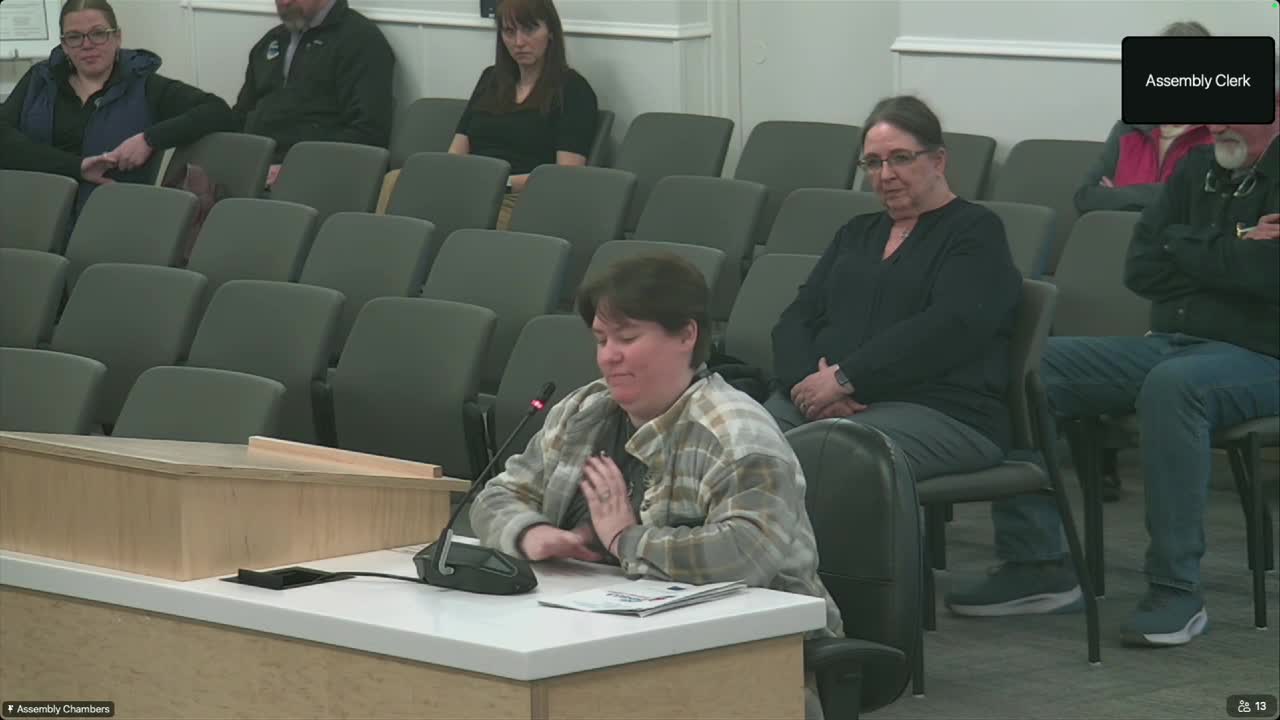
Jody Stewart, chair of the Kenai Peninsula Project Homeless Connect and representative of the Kenai Peninsula Homelessness Coalition, presented the annual event report to the assembly on April 1, summarizing participant data, service delivery and community needs.
Stewart said the event continues to attract many repeat attendees and that a large share of people presenting with housing insecurity report disabilities that limit housing options. Domestic violence and job loss remain common drivers of housing instability. Key data presented included: roughly 29% of respondents reported four or more episodes of homelessness; about 12% of participants identified as veterans; in southern Kenai Peninsula events (Homer/Anchor Point) roughly 30% of attendees reported being unhoused for a year or more; and 16% of participants reported seasonal rental displacement as a cause of housing loss.
Service needs identified by participants included food, clothing, employment assistance, transportation, utility assistance and vehicle repairs; Stewart said transportation, utility assistance and vehicle repair had particularly high reported need this year. The event's feedback metrics reported that most attendees felt treated with dignity and that haircuts and veterinary services (for pets) were among the most appreciated services.
Stewart emphasized affordability constraints: based on local analyses presented, an individual earning minimum wage would need to work approximately 98 hours per week to afford a two-bedroom apartment at prevailing rates, underscoring the borough's affordable housing and wage shortfalls. Stewart also noted that the organizational structure of the local homelessness coalition had been simplified this year to improve coordination across agencies and volunteers.
Assemblymembers asked about peer-support models and cold-weather shelters; Stewart said peer support is part of events but that many potential peer-support volunteers still face economic and stigma-related barriers, and she described progress on but not yet adequate implementation of cold-weather shelter options across the borough because of funding and regulatory barriers. Stewart said community groups in multiple parts of the borough are working on shelters, but that sustainable funding and regulatory compliance remain barriers.
Stewart closed by requesting continued partnership with borough government and local agencies to address gaps in permanent housing, cold-weather shelter provision and ongoing services for people with disabilities and repeated homelessness episodes.