Get Full Government Meeting Transcripts, Videos, & Alerts Forever!
Get email alerts on the Cybersecurity Policy topic
No spam. Unsubscribe anytime.
Senate panel advances cleanup to 2023 cyber response board, shifts vote seat to Insurance Department
Summary
Lawmakers approved a cleanup bill that modifies the state'created cyber response board established in 2023, authorizing parties targeted by cyberattacks to use their own vendor and correcting a drafting error that allocated a board vote incorrectly.
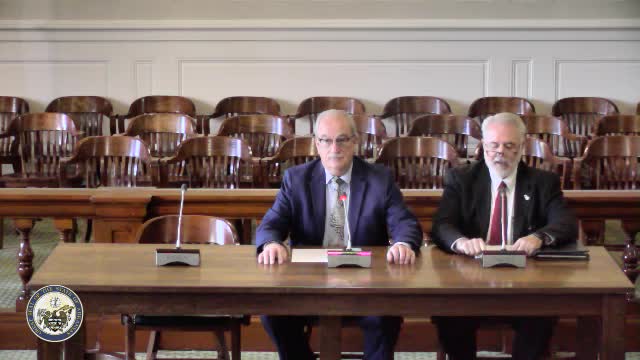
Senator Kim Hammer, District 16, presented a cleanup bill to refine the cyber response board established in 2023. Chris Velines, director at the Association of Arkansas Counties, told the committee the program functions similarly to the Fidelity Bond Board and helps cities, counties and K‑12 districts pay for and respond to cyberattacks.
Velines said experience with the board since 2023 showed a need for adjustments. The bill removes language that preselected a response panel and instead allows the affected entity to employ a technology company it trusts to help recover. He also said a drafting error from 2023 had inadvertently given one of the board votes to legislative audit when it should have been assigned to the Arkansas Insurance Department; the bill corrects that error. Hammer said the Arkansas Insurance Department is present and supports the cleanup.
Members asked how the new board works financially. Velines explained the board acts much like a captive insurance pool: participating cities, counties and K‑12 entities contribute to a fund that the board can use to make payments when a member suffers a cyber incident. He said the board has already reimbursed members for several attacks and that the fund will likely take several years to build up enough reserves to reduce premiums.
Senator Johnson moved to advance the bill and Senator Bryant seconded. The committee voted in favor.
The bill is presented as housekeeping to align the board’s operation with what participants find practical and to remove language that could be interpreted as waiving governmental immunity. No public opposition was recorded in the committee hearing.