Get Full Government Meeting Transcripts, Videos, & Alerts Forever!
Get email alerts on the Housing Repair topic
No spam. Unsubscribe anytime.
Residents, advocates press council to restore and expand "Built to Last" home repair funding
Summary
Speakers told council that Philadelphia Energy Authority's Built to Last program is underfunded in the mayor's proposal and urged substantial increases to meet demand and climate and equity goals.
Residents and housing advocates urged council to increase funding for the Philadelphia Energy Authority’s Built to Last home-repair program and related weatherization and workforce initiatives.
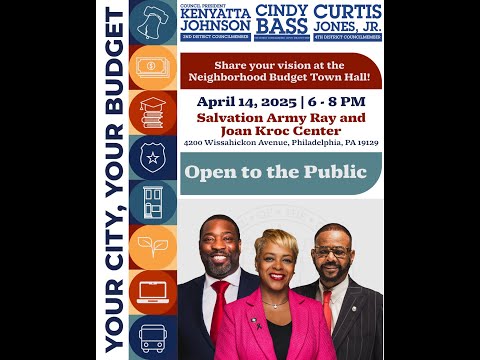
At the town hall, an advocate said the Built to Last program requested $10 million for home repairs and workforce development but the mayor’s proposal included only about $1.3 million for the program. The speaker said the program helps reduce energy costs, improves health outcomes and can reduce displacement by allowing people to remain in their homes.
Council members who spoke at the town hall said they have supported Built to Last in prior budget cycles and understand the demand. Council conversation noted that last year council advocacy secured $5 million for Built to Last and that city agencies and public housing authorities also pursue complementary repair programs. Speakers at the meeting reported long wait lists: the speaker said there were roughly 336 people on the wait list in District 4 and 445 in District 8 for Built to Last services.
Budget staff and council members said they would continue to press for additional PEA funding during negotiations and encouraged residents to participate in upcoming hearings. They also described basic-systems repair programs and other housing-repair efforts operated by Philadelphia Housing Authority and other departments as part of a multi-pronged strategy to address aging housing stock.