Get Full Government Meeting Transcripts, Videos, & Alerts Forever!
Get email alerts on the Sanctuary Policy topic
No spam. Unsubscribe anytime.
Board urged to uphold sanctuary ordinance as DHS seeks exception; debate and public comment continue
Summary
A resolution urging U.S. Department of Homeland Security to extradite two accused suspects and reaffirm San Francisco's sanctuary protections drew hours of debate, heavy public turnout and was continued to March 7 for further consideration.
A resolution introduced by Supervisor Hillary Ronan to urge the Department of Homeland Security and the Biden administration to extradite two people sought for crimes in San Francisco while reaffirming the city’s longstanding sanctuary protections prompted extended debate on Feb. 28 and drew large public turnout in opposition to weakening sanctuary law.
The board voted to continue item 37 to March 7, giving members, staff and community groups another week to prepare and negotiate language. The continuance passed on a roll call recorded by the clerk as unanimous (11–0) when the board voted to set the follow-up hearing.
Why the measure drew attention
Ronan said the resolution was intended to send two messages: that the board expects the federal government to extradite suspects who have been charged with serious crimes, and that San Francisco will not make wholesale changes to its sanctuary protections to satisfy federal demands. “We are not going to be blackmailed,” Ronan said on the dais, urging DHS to carry out extradition without requiring a legislative change from the city.
Supervisor Matt Dorsey urged a different approach: he said he supported narrowly tailored exceptions to sanctuary law for certain crimes and argued the city should consider provisions that would allow cooperation in limited circumstances. “I believe exceptions, reasonable exceptions and I think narrowly tailored thoughtful exceptions...are something that is true to our values,” Dorsey said during debate, while acknowledging the topic remains deeply contested among colleagues.
Public comment and community response
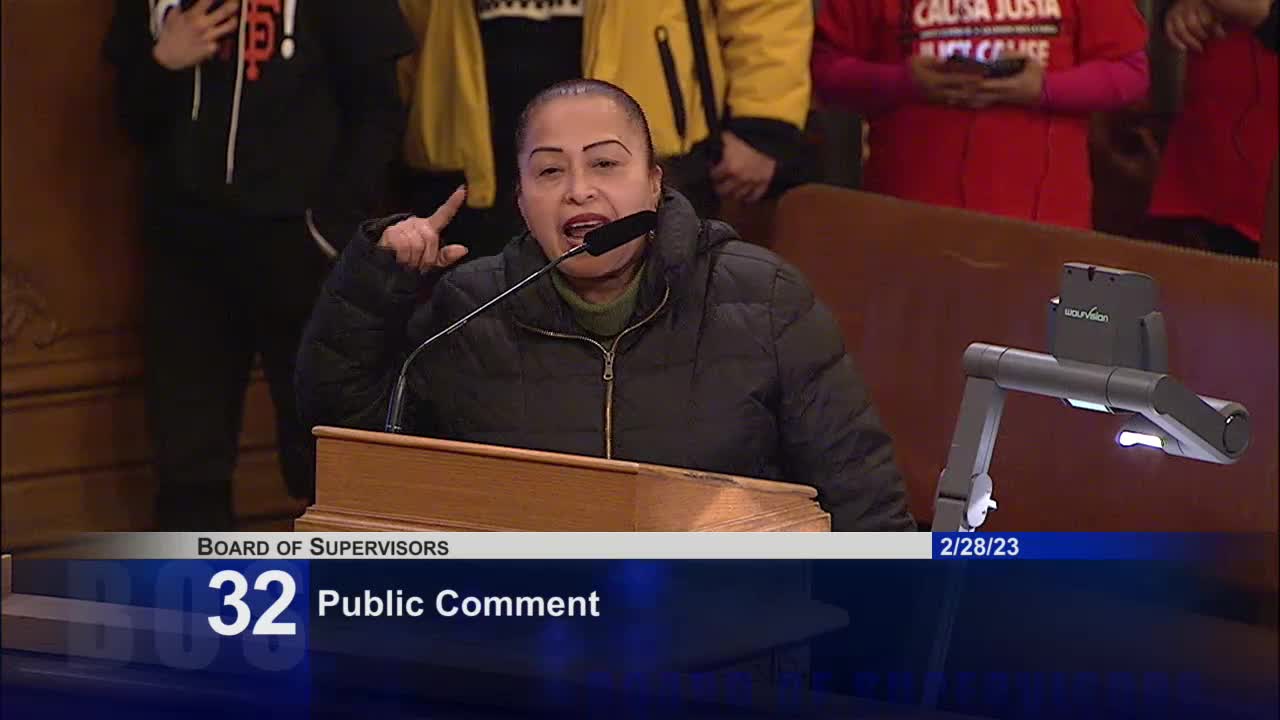
More than 50 members of the public — including immigrant-rights groups, legal-service organizations, faith leaders and residents — spoke during the meeting and on the phone, the vast majority urging the board not to strip or weaken sanctuary protections. Speakers repeatedly said the ordinance is essential for victims to report crimes and for immigrant communities to access services without fear of deportation. “Sanctuary policies are a crucial part of San Francisco’s history and identity,” said Kevin Lowe of the Asian Law Caucus during public comment.
Law-enforcement and legal questions
Supervisors who favored continued discussion cited procedural and legal questions: they said federal authorities have extradited suspects in the past without changes to local law and that the city’s law-enforcement partners should be consulted about operational impacts. Supervisor Catherine Stephanie, a former prosecutor, described prior practice in 2019 when a federal extradition proceeded without a change to San Francisco policy.
Board action and next steps
On the record, the board continued item 37 to the March 7 meeting to allow additional briefings, technical work and community input. The clerk recorded a unanimous roll call in favor of the continuance. Supporters of immediate extradition urged DHS to act immediately; supporters of sanctuary protections said the city should not alter local protections in response to federal pressure.
Ending
Public commenters and supervisors asked for follow-up briefings from the District Attorney’s Office, the Sheriff and the San Francisco Police Department ahead of the March 7 hearing. The board’s continuance gives staff and members additional time to reconcile public-safety and immigration concerns and to provide the public with clearer analyses of operational options.