Get Full Government Meeting Transcripts, Videos, & Alerts Forever!
Get email alerts on the Litigation Settlement topic
No spam. Unsubscribe anytime.
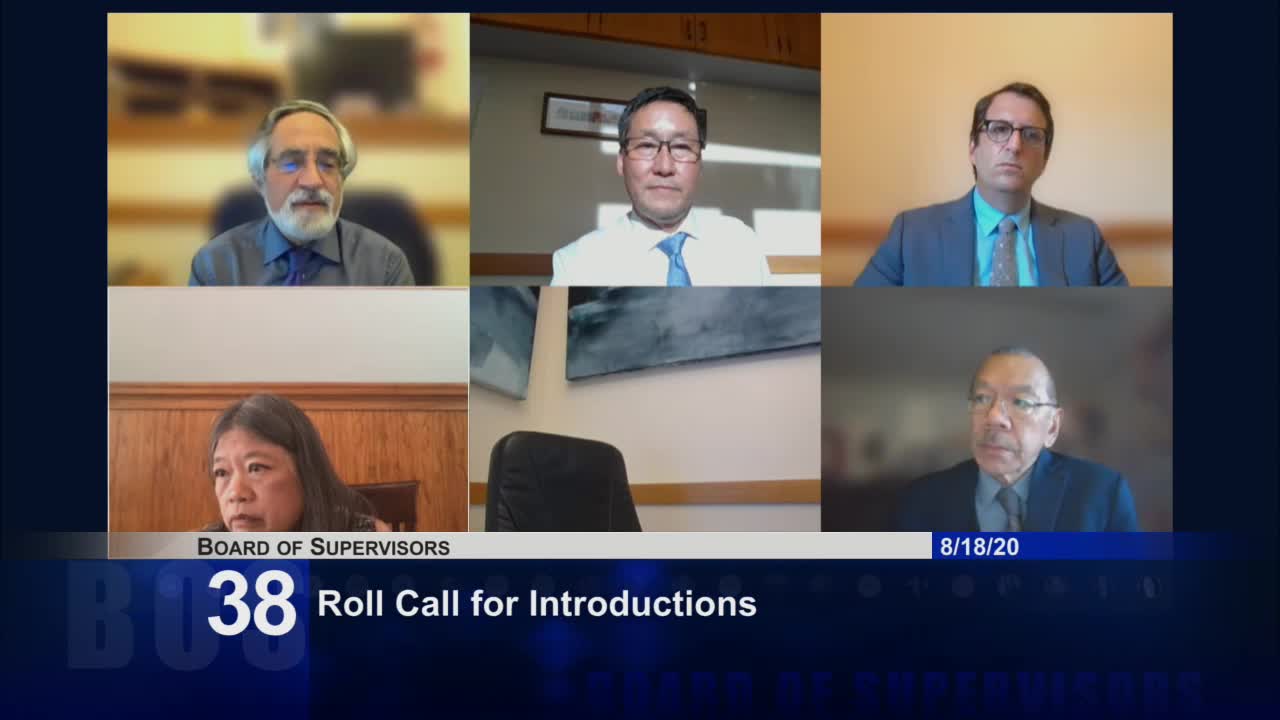
Board approves Hastings College settlement with city in 7‑4 vote after contentious closed‑session debate
Summary
After a closed‑session discussion and public debate, the Board of Supervisors approved a settlement with Hastings College of the Law over neighborhood and civil‑rights claims tied to street encampments, voting 7‑4 to authorize the stipulated injunction and settlement terms.
The San Francisco Board of Supervisors voted 7‑4 on Aug. 18 to authorize a settlement of litigation filed by Hastings College of the Law against the city and county of San Francisco. The suit alleged violations including claims under the Americans with Disabilities Act, California disability statutes and various nuisance and negligence theories connected to encampments and neighborhood conditions in the Tenderloin.
Chancellor and dean David Faegeman appeared by phone and described the litigation’s background: a dramatic increase in street encampments and activity near the Hastings campus during the COVID‑19 pandemic, which the school said impaired students’ and faculty members’ ability to safely access campus and services. Hastings sought court intervention; the parties reached a stipulation that includes injunctive terms and other implementation steps. Following a closed‑session briefing from the city attorney’s office and discussion with the chancellor, the board voted to authorize settlement.
Roll call produced seven affirmative votes for the settlement and four negative votes. Supervisors in the majority said the agreement and the court‑supervised process created a constructive mechanism to address localized civil‑rights and public‑safety problems that arose when encampments grew near institutional doorways and sidewalks. Supervisors in the minority said they worried a court settlement between public entities could short‑circuit broader citywide planning for homelessness and argued the city should have pushed harder for additional hotel rooms and alternative shelter options as part of any negotiated settlement.
The settlement authorizes stipulations that address use of public rights‑of‑way, removal of obstruction to pedestrian access, and protections for persons experiencing homelessness consistent with constitutional and public‑health requirements. The board’s action implements mayoral and city attorney staff recommendations to enter into the settlement and to finalize the terms discussed in closed session.
The vote and the public discussion that preceded it made clear the board remains divided over strategies to address encampments and homelessness during the pandemic: some members welcomed a federal‑court framework to address specific legal claims; others said the city needs a more expansive, citywide strategy and additional hotel/shelter capacity. The settlement itself directs implementation by city departments and anticipates continued collaboration among multiple government and community partners.