Get Full Government Meeting Transcripts, Videos, & Alerts Forever!
Get email alerts on the Public Advocate topic
No spam. Unsubscribe anytime.
Board rejects measure to create elected public advocate, would have gone to voters
Summary
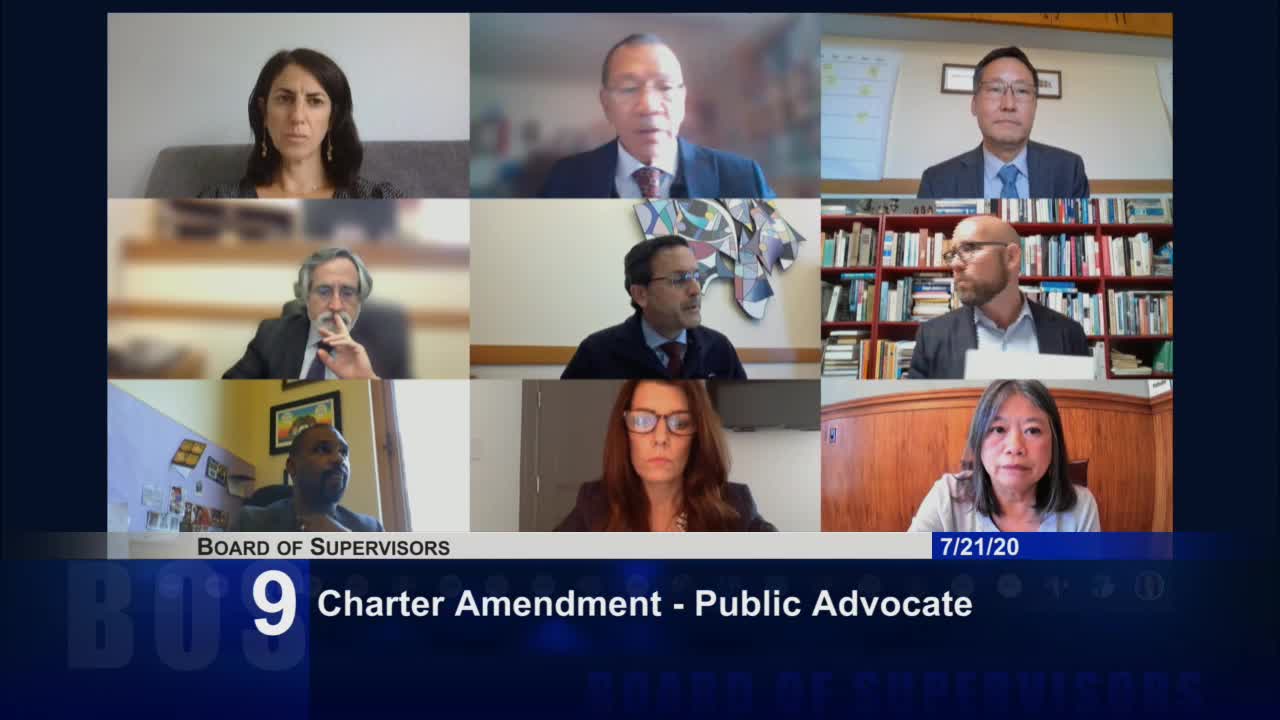
A charter amendment to create an elected Office of the Public Advocate and place it on the Nov. 3 ballot failed on a 5-6 vote after hours of debate about oversight, cost and whether existing offices already perform the function.
A proposed charter amendment to create an elected Office of the Public Advocate — an independent citywide official empowered to investigate allegations of public corruption, issue subpoenas and review city programs — failed in a 5-6 vote by the San Francisco Board of Supervisors on July 21.
Supervisor Matt Dorsey Moore (file sponsor) said the measure was aimed at giving voters a citywide option to address corruption and waste. “This is not a spending measure. This is a cost savings measure,” Moore told the board, citing estimates from the city controller that the office would cost under $1 million annually and could identify savings that would exceed its cost.
Supporters said the city’s existing watchdog offices are underfunded, subject to conflicts and not staffed to conduct the kind of ongoing, independent investigations the public advocate would perform. “Nobody is watching the store full time,” Supervisor Shamann Walton said, arguing the office would allow dedicated staff to follow leads and protect whistleblowers. Several supporters referenced investigations into alleged corruption that have touched multiple departments over recent years.
Opponents said the functions the proposal would assign to a public advocate already exist across the city’s controller, city attorney, district attorney, ethics commission and the board itself. Supervisor Catherine Stefani, who opposed the measure, said voters rejected a similar proposal in 2016 and said the city needed to strengthen existing oversight bodies rather than create a new elected office. Some supervisors also objected to eligibility language as drafted; Supervisor Aaron Feuer said he would have supported the idea if former elected officials and department heads had been barred from running.
After more than an hour of debate, the roll call resulted in five “aye” votes and six “no” votes, with the measure not advancing to the ballot. The clerk recorded five votes in favor and six opposed; under the city charter the charter amendment required an 8-vote (two-thirds) threshold to be placed on the ballot, a threshold the measure did not meet. The sponsor and several backers said they will continue pursuing reforms to increase oversight and accountability.
Ending: With the public advocate measure defeated, supervisors supporting additional oversight said they will pursue other reforms and task existing offices to provide recommendations on strengthening whistleblower protections, staffing and coordination among investigatory offices.