Get Full Government Meeting Transcripts, Videos, & Alerts Forever!
Get email alerts on the Housing Supportive Housing topic
No spam. Unsubscribe anytime.
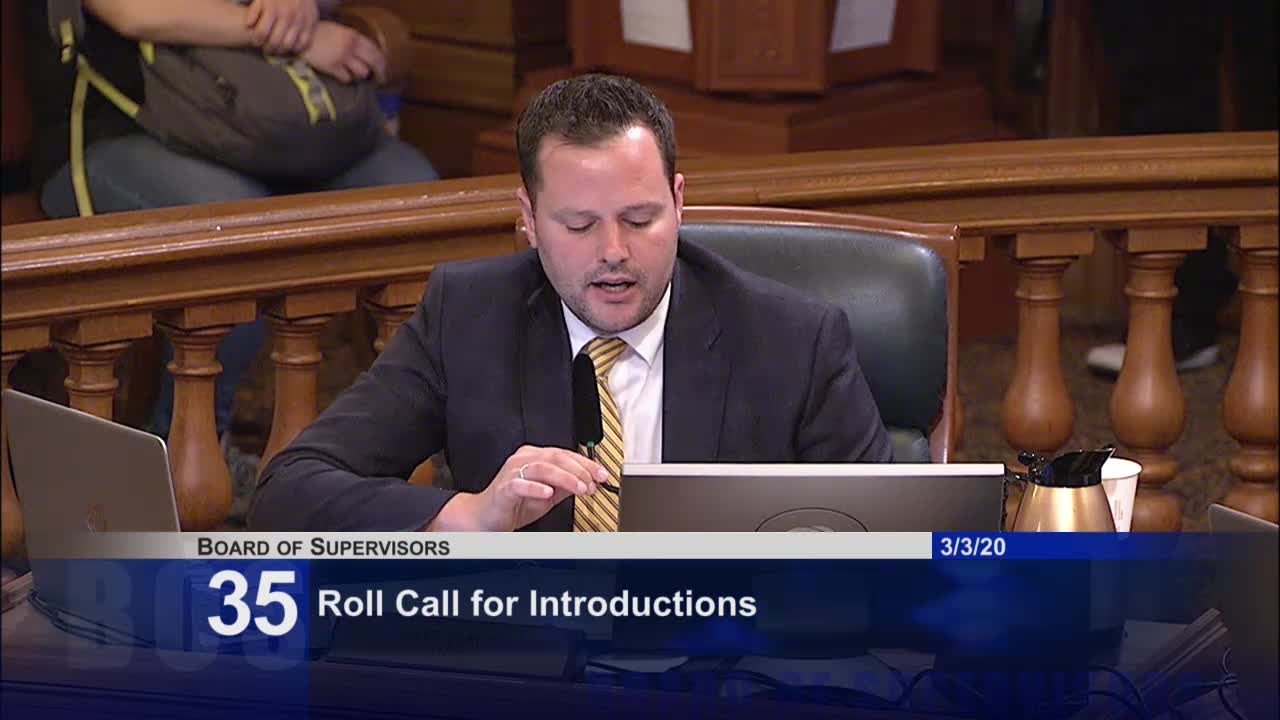
Supervisor Haney announces pending ordinance to cap rents in city-funded permanent supportive housing at 30% of tenant income
Summary
Supervisor Haney said the city will introduce legislation with the city attorney to ensure tenants in city-funded permanent supportive housing pay no more than 30% of income for rent, citing thousands of residents in supportive units and ongoing budget discussions.
Supervisor Haney told the Board of Supervisors she will introduce pending legislation with the city attorney to require that no tenant in city-funded permanent supportive housing pay more than 30% of their income in rent.
"Permanent supportive housing is a critical piece of San Francisco's homelessness response system," Haney said. "Tenants in all of the new buildings opened since 2016 are all paying no more than 30% of their income to rent... Nearly a third of our supportive housing tenants, approximately 3,000 of the most vulnerable tenants in the city are rent burdened, paying significantly more than a third of their already low incomes to rent."
Haney said approximately 10,000 formerly homeless residents are housed in city-funded supportive settings each night. She told the Board that "approximately 800 written notices of eviction for non payment of rent were issued last year," and characterized the uneven rent-setting policies as creating an inequitable burden on the city's most vulnerable tenants.
The supervisor said the Board previously approved $1 million to begin the transition to 30% rents for the most vulnerable tenants, and that her office had reached an agreement with the mayor's office to begin allocating those funds by the summer. Haney asked for a single rent standard to be applied to current and future supportive housing projects and said the change would be implemented "in a fiscally responsive, responsible way."
Why it matters: Haney framed the measure as closing an inconsistency in how the city sets supportive-housing rents, and said the proposal is intended to reduce eviction risk, increase tenant stability and better align city practice with federal standards for supportive housing affordability.
What comes next: Haney announced the pending ordinance and said it will be introduced with the city attorney; no committee hearing or vote occurred on March 3.