Get Full Government Meeting Transcripts, Videos, & Alerts Forever!
Get email alerts on the Transportation Bikeway topic
No spam. Unsubscribe anytime.
Board affirms CEQA exemption for Page Street bikeway pilot, rejects appeal
Summary
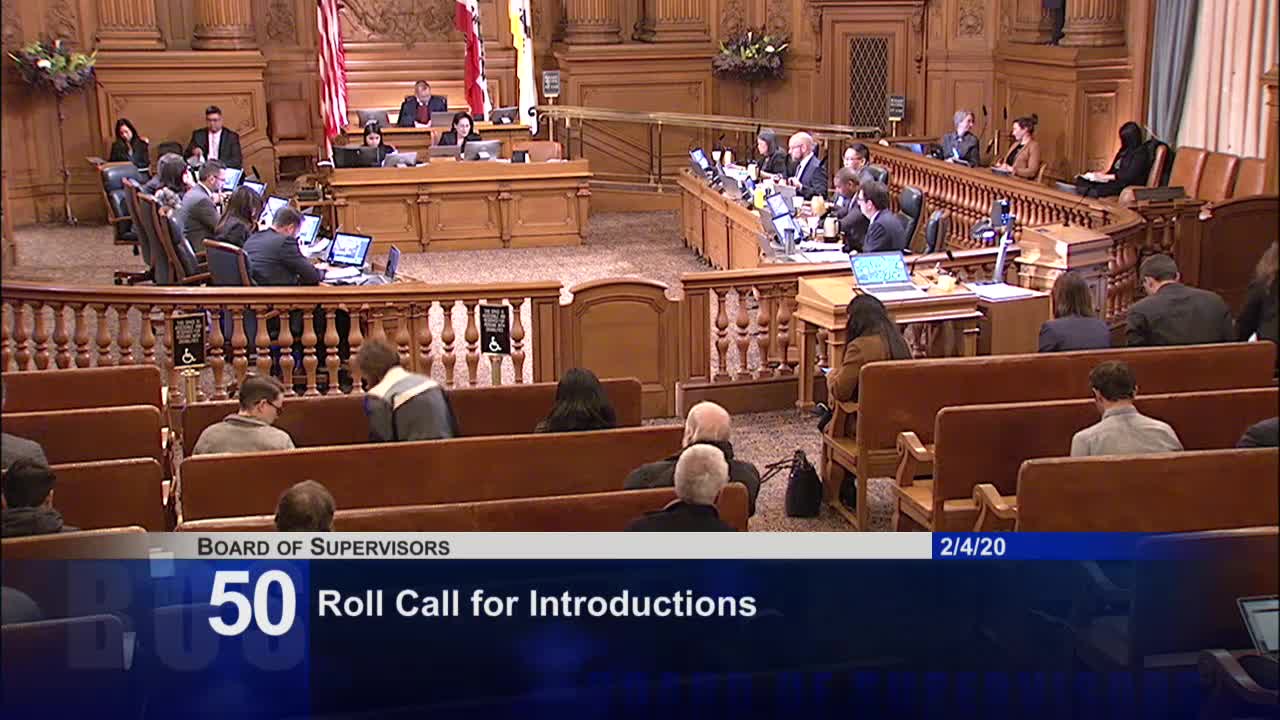
The San Francisco Board of Supervisors on Feb. 4 affirmed a Planning Department finding that the San Francisco Municipal Transportation Agency's Page Street bikeway pilot is categorically exempt from the California Environmental Quality Act, denying an appeal that argued the pilot requires fuller environmental review.
The San Francisco Board of Supervisors on Feb. 4 affirmed a Planning Department finding that the San Francisco Municipal Transportation Agency's Page Street bikeway pilot is categorically exempt from the California Environmental Quality Act, denying an appeal that had argued the pilot was effectively a permanent project requiring full environmental review.
The decision upholds a November 2019 administrative determination and clears the way for SFMTA to implement time-limited turn restrictions, a protected downhill bike lane and other changes targeted at reducing unsafe vehicle queues and conflicts on Page Street between Fell and Market. Supervisors also tabled separate motions that would have ordered preparation of findings reversing the exemption.
SFMTA transportation planner Mark Traeger told the board the pilot is a 12-month, time-limited experiment designed to test traffic circulation changes and collect data on where vehicles divert, how transit performs and how residents perceive the changes. "This is a true pilot," Traeger said, noting the agency plans two evaluation periods and a report back to the SFMTA board and the Board of Supervisors in summer 2020.
Appellants, represented by Mary Miles of the Coalition for Adequate Review, argued the project is not a limited data-collection exercise and thus ineligible for a class 6 categorical exemption under CEQA Guidelines —306. Miles told supervisors the city's own documents show an intent for the changes to be permanent and said the pilot would divert thousands of cars onto other neighborhood streets.
Planning Department senior environmental planner Laura Lynch responded that the record supports a class 6 exemption for information-collection projects. She said the project description includes a stated expiration and that any permanent project that SFMTA later proposes would trigger a separate, full environmental review.
Public testimony split sharply. Numerous residents, neighborhood groups and transportation advocates urged the board to let the pilot proceed, citing collision history on Page Street and daily blocking of crosswalks, particularly near John Muir Elementary School. Opponents said the pilot would effectively close portions of the public street to through vehicle traffic and demanded a full initial study before any implementation.
Supervisor Preston moved to affirm the Planning Department's exemption determination; Supervisor Peskin seconded. The motion carried and items asking the board to reverse the exemption were tabled. Under the project as described to the board, the pilot will expire after 12 months; any extension or a proposal to make changes permanent would require a new discretionary action by SFMTA and would be subject to CEQA review.
SFMTA staff said they will implement the pilot, monitor traffic, transit impacts and public perception, and return with results and recommended next steps. The board's decision preserves a narrow path for time-limited testing while leaving in place the requirement that any permanent alterations undergo full environmental review.