Get Full Government Meeting Transcripts, Videos, & Alerts Forever!
Get email alerts on the Reparations topic
No spam. Unsubscribe anytime.
San Francisco supervisors introduce reparations resolution; mayor urges housing-focused approach
Summary
Supervisor Shamann Walton announced a board resolution to create a legislated working group to develop a local reparations plan; Mayor London Breed used her appearance to frame reparations as a broad policy approach focused on housing and racial equity.
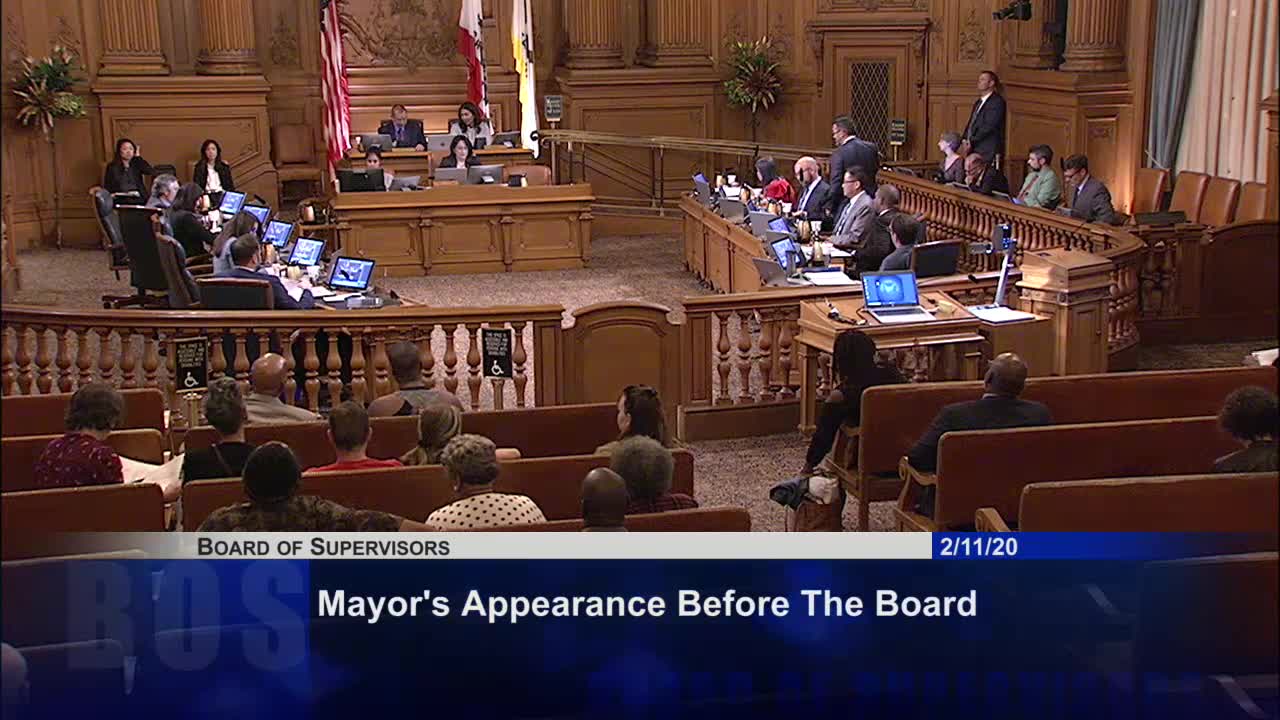
Supervisor Shamann Walton announced a resolution at the Board of Supervisors meeting on Feb. 11 to begin a legislated process to develop a reparations plan for San Francisco’s Black community. The measure will create a working group, to be established by ordinance, charged with drafting a reparations package and policy recommendations for the board to consider.
Mayor London Breed used her special-order appearance before the board to back a broad definition of reparations that emphasizes policy changes and targeted investment. “Reparations are a framework through which we as a government together with the community actively work to undo the systemic harm that has been inflicted both past and present on the basis of race,” Breed said, linking reparations work to housing and homelessness policy.
Breed cited historical examples she said shaped San Francisco’s housing shortage, including 19th- and 20th-century practices that she described as discriminatory, and urged the board to focus on “clear and targeted policies that will help address and advance racial equity.” She also referenced the city’s Slavery Disclosure Ordinance (Chapter 12Y) as part of the city’s existing record of recognizing historical harms.
Walton described the board’s next steps as establishing a legislated working group whose membership and scope will be defined through subsequent legislation. “We are announcing our process to begin realizing reparations for the black community here in San Francisco,” Walton said.
Public comment included multiple residents and community leaders who urged the board to move quickly and to center community input. At least one speaker framed the measure as a moral imperative and urged expedited action.
The resolution was introduced; no final vote on a reparations ordinance occurred on Feb. 11. The item was filed as part of the meeting’s special order and will move through the board’s legislative process if brought back for committee hearings or a second reading.